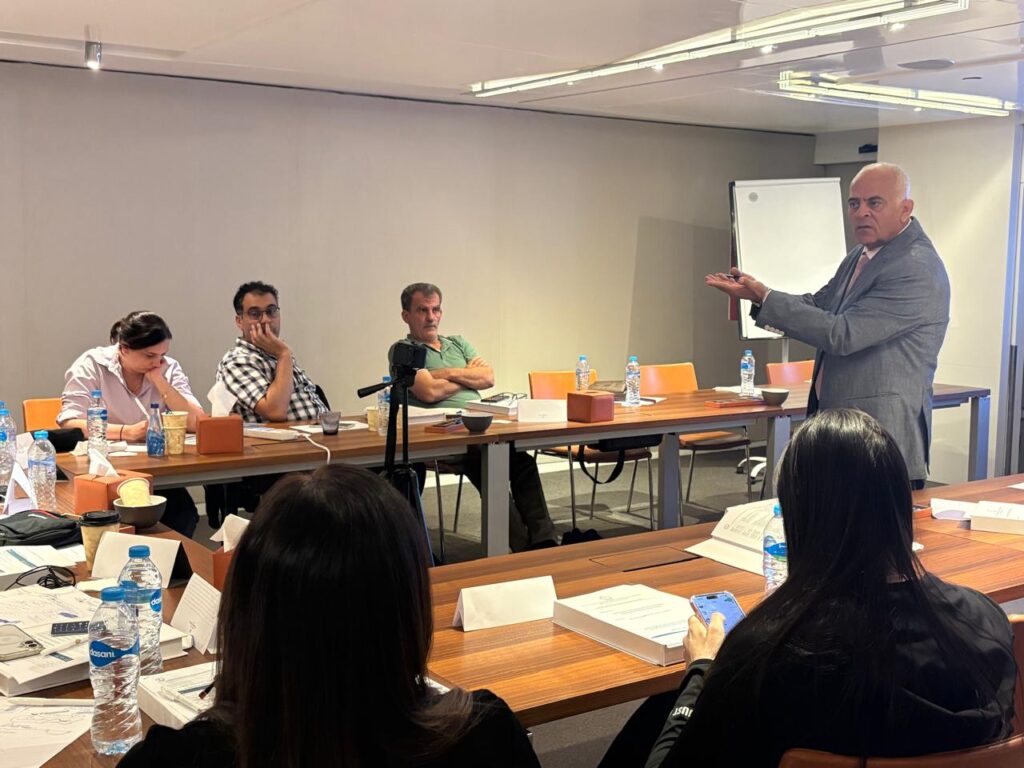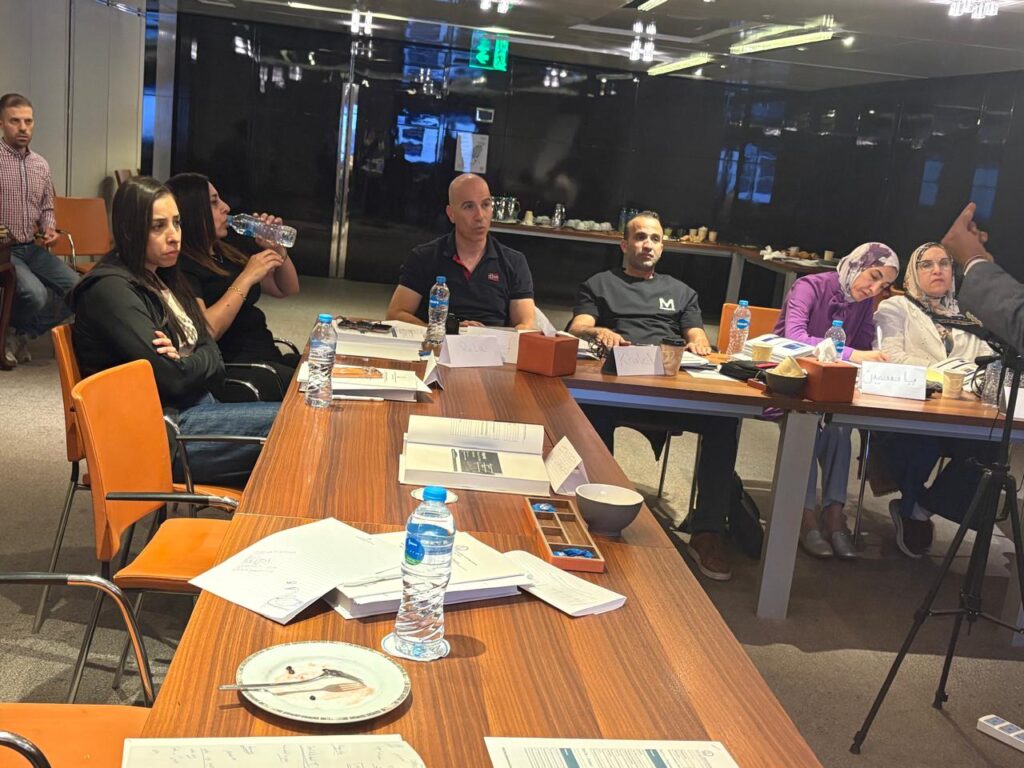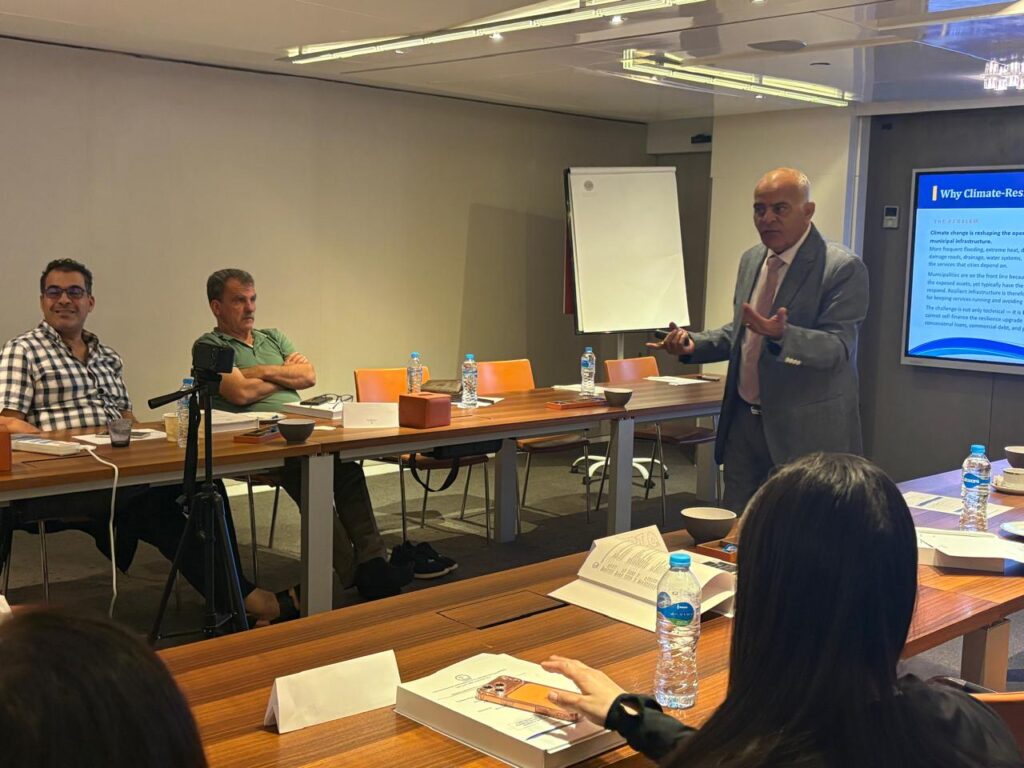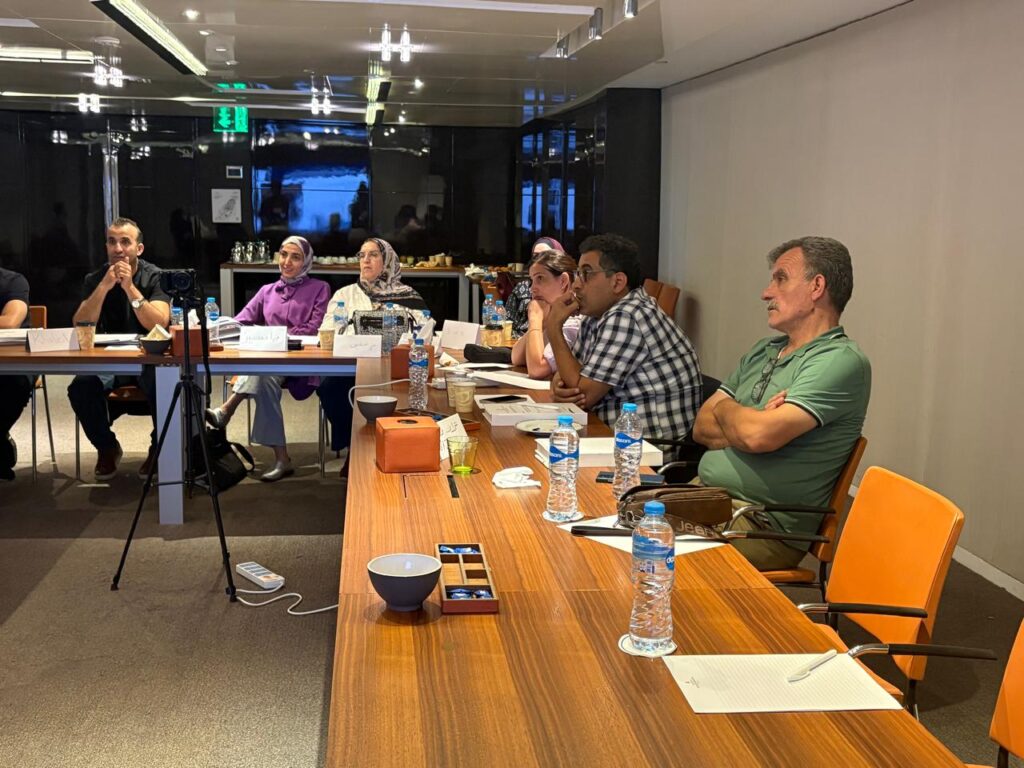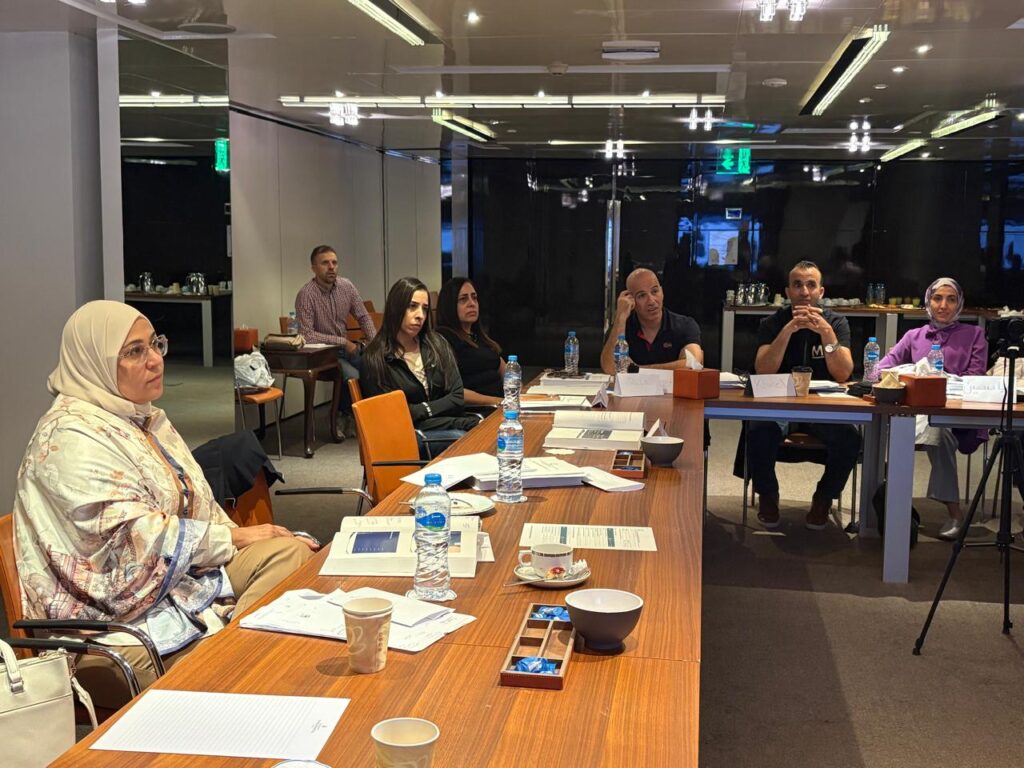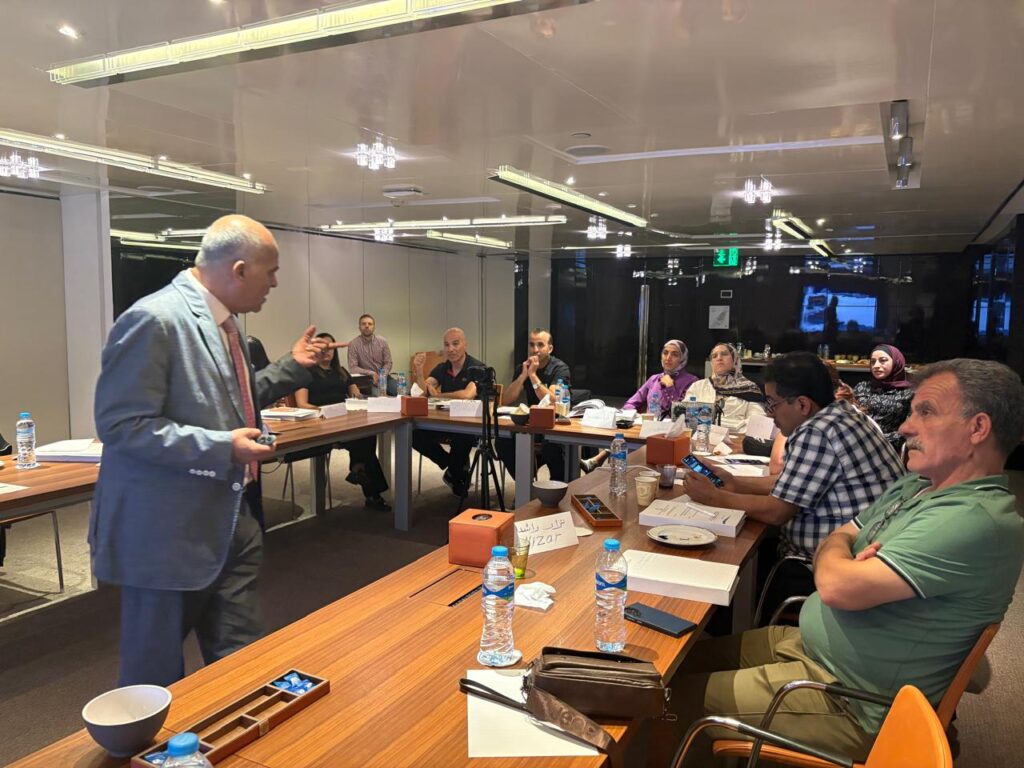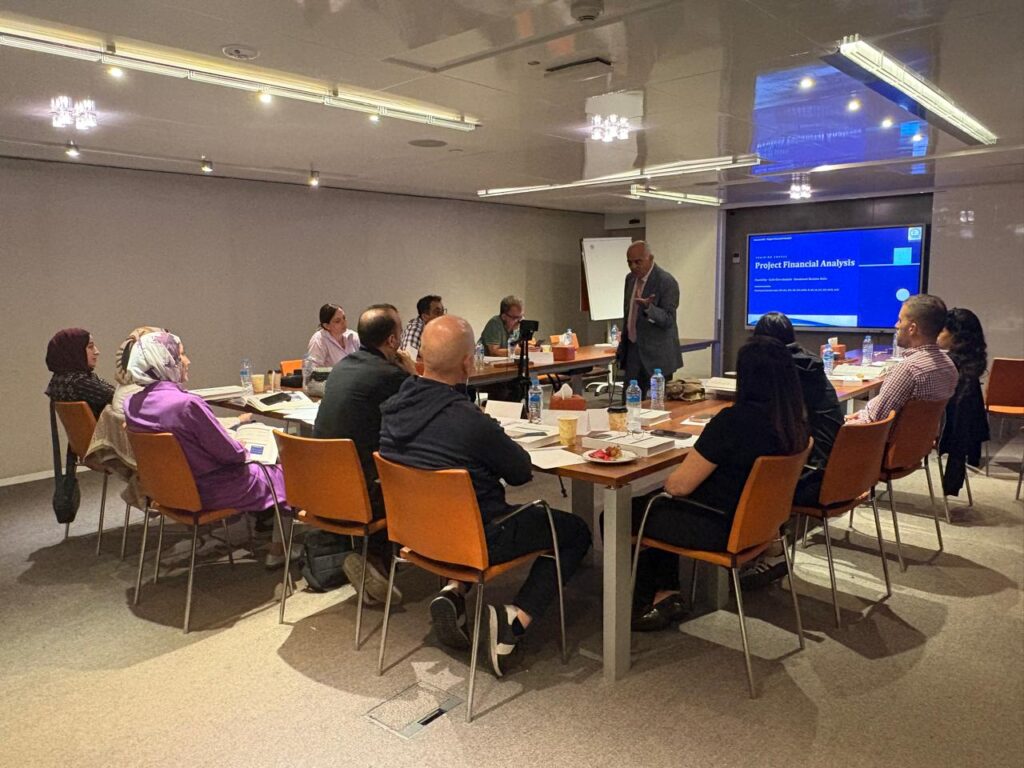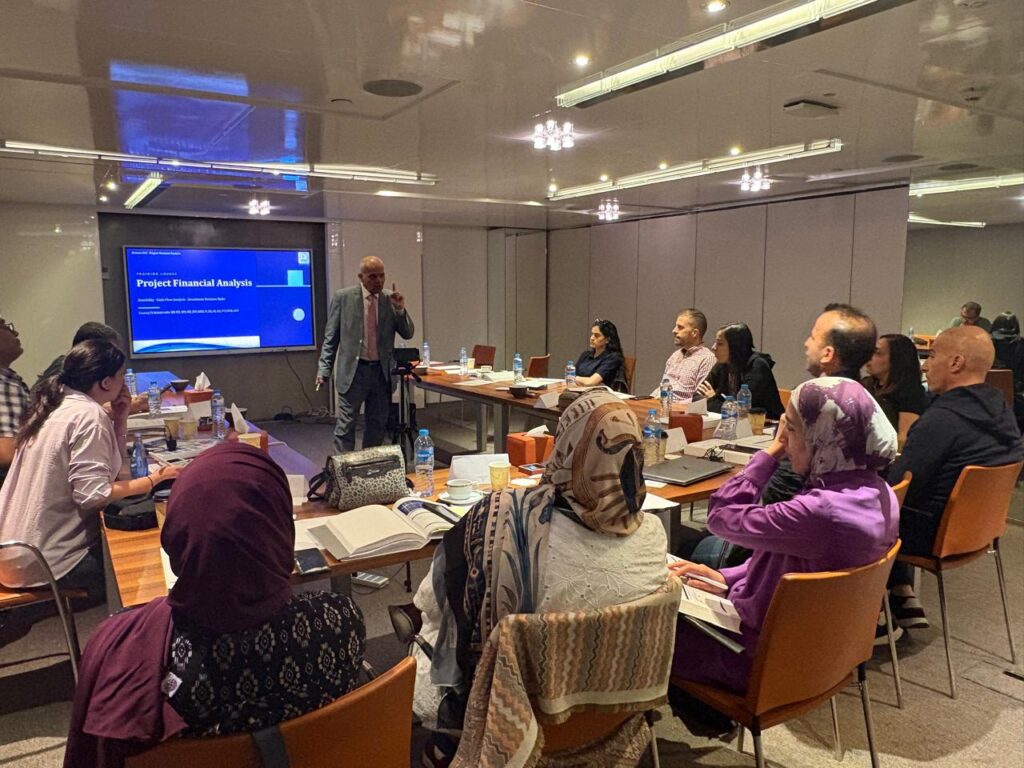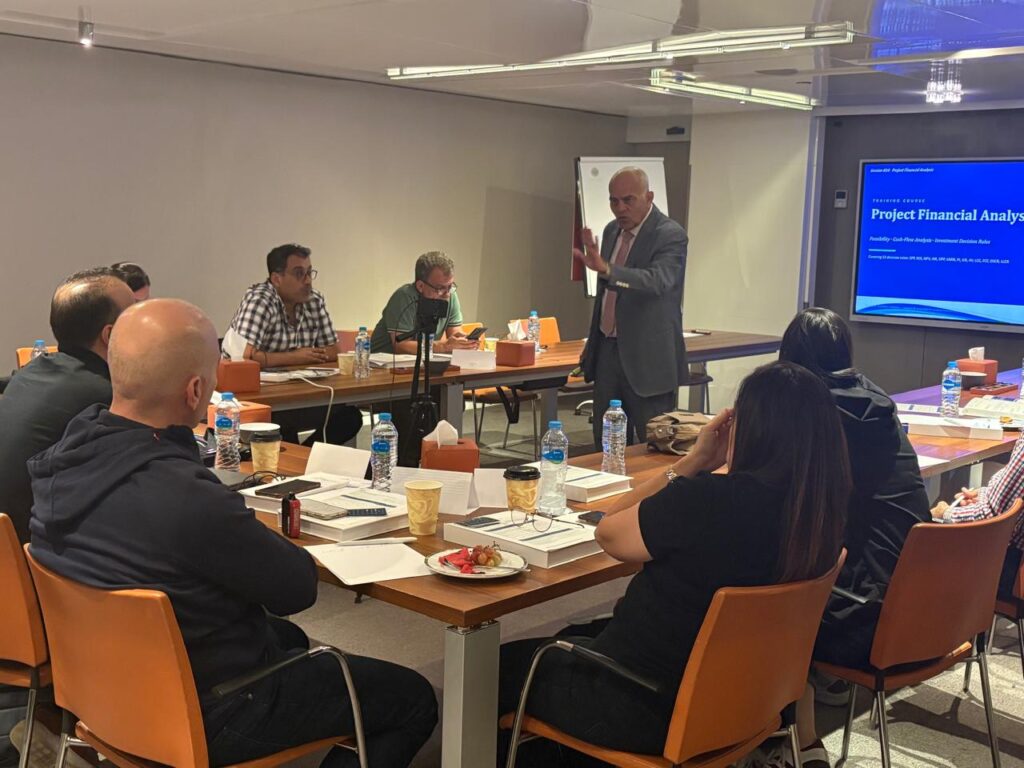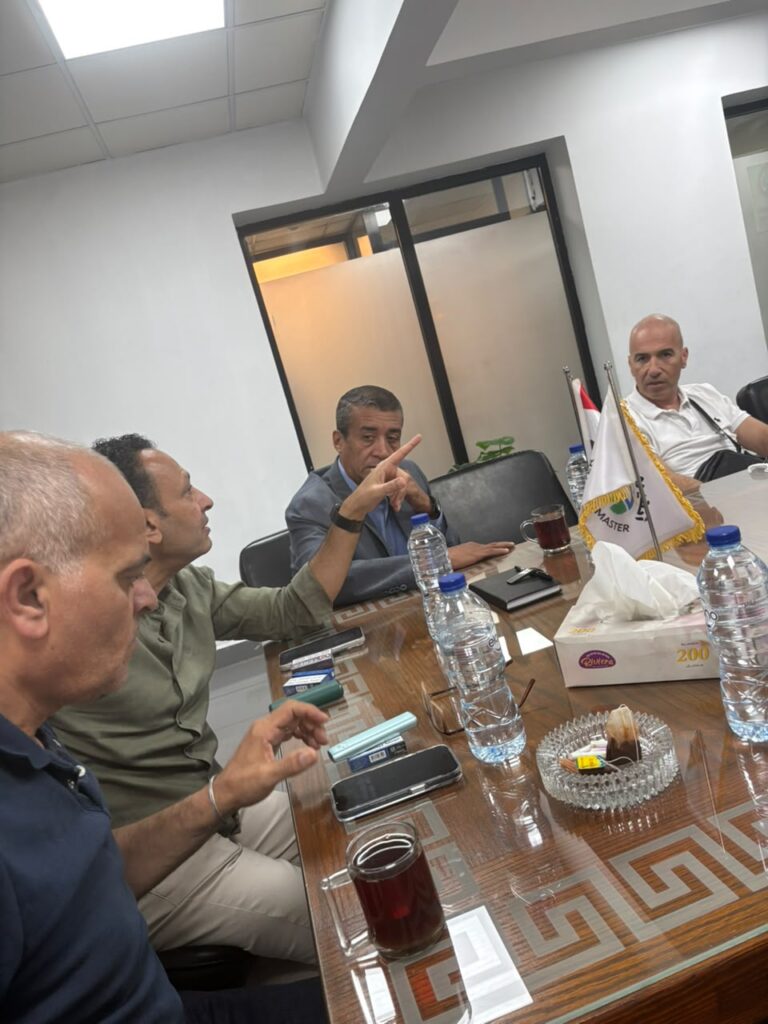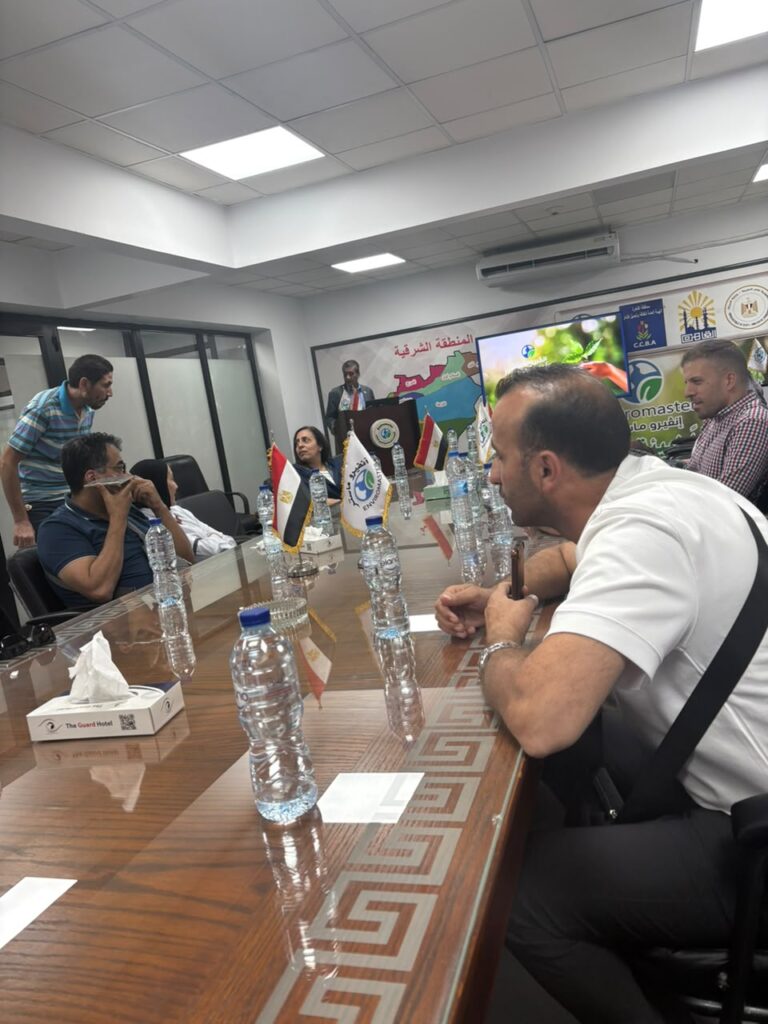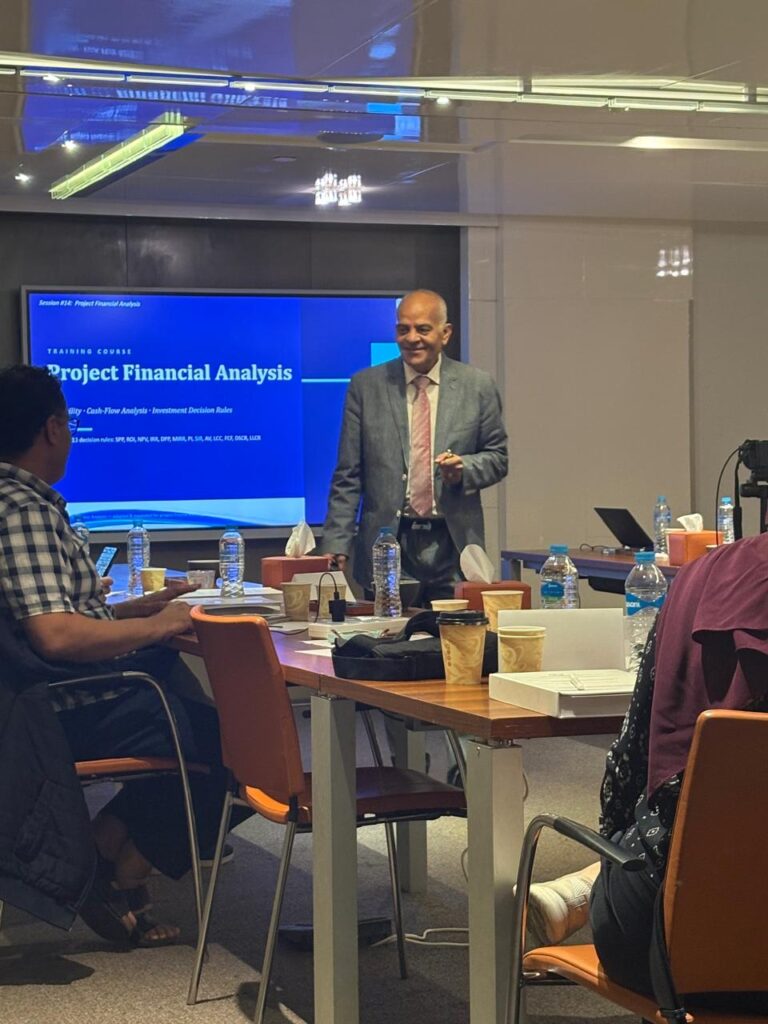
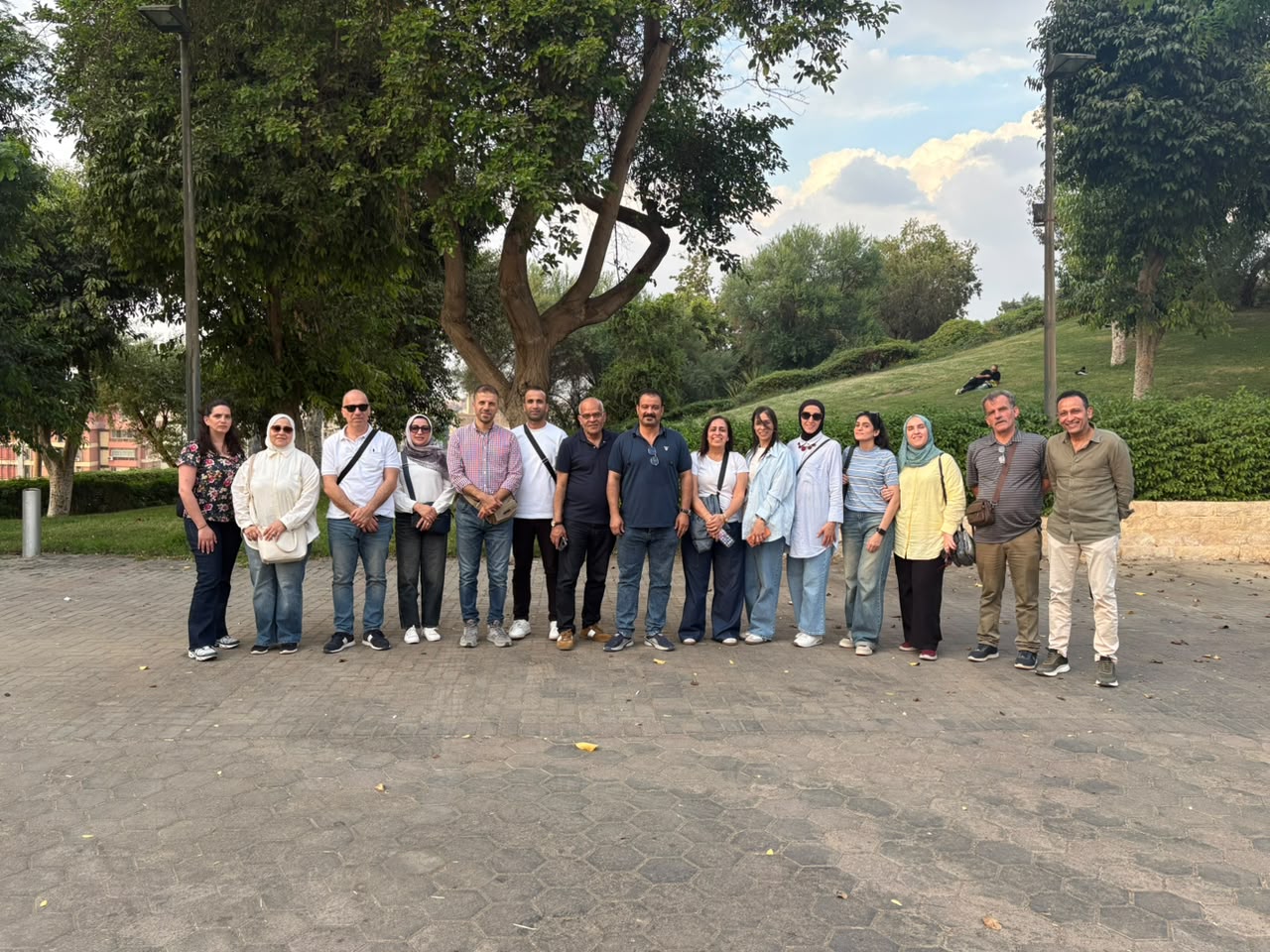
The Center for Environment and Development for the Arab Region and Europe (CEDARE) has launched the second round of its specialised training programme aimed at building the capacities of staff working in municipalities and local authorities in the State of Palestine in the field of integrated and sustainable solid waste management. The programme is implemented with the support and funding of the Municipal Development and Lending Fund (MDLF).
The second round is being held from 4 to 8 October 2026, with the participation of 12 Palestinian municipal staff members, following the successful completion of the first round from 20 to 24 September 2026 and in preparation for the third and final round, scheduled for 11 to 15 October 2026. Overall, the programme aims to train 34 participants through three specialised training rounds.
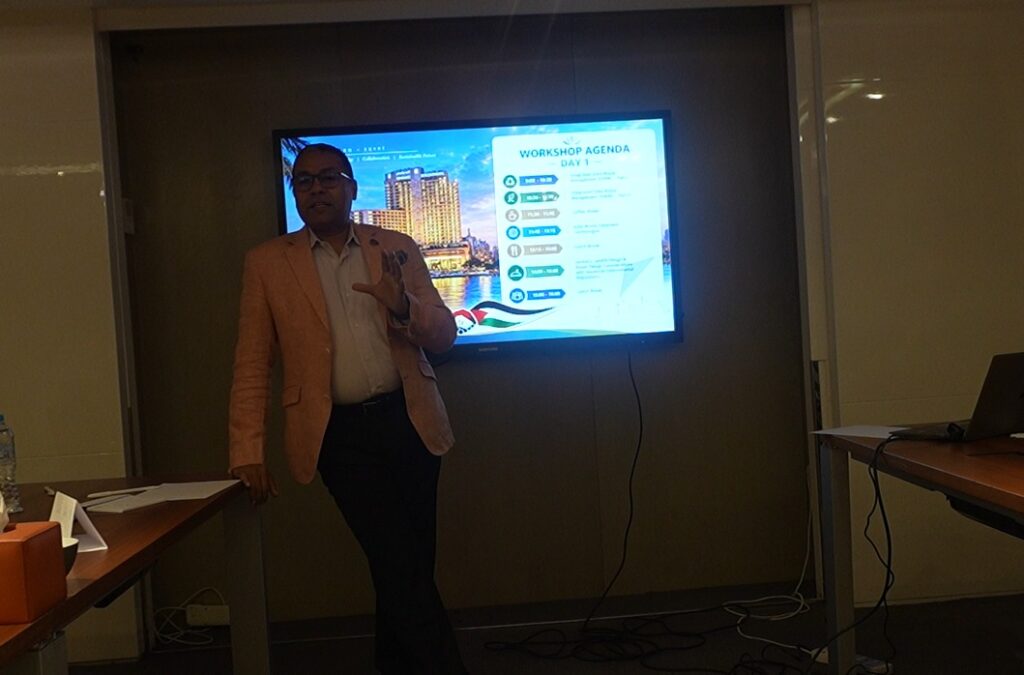
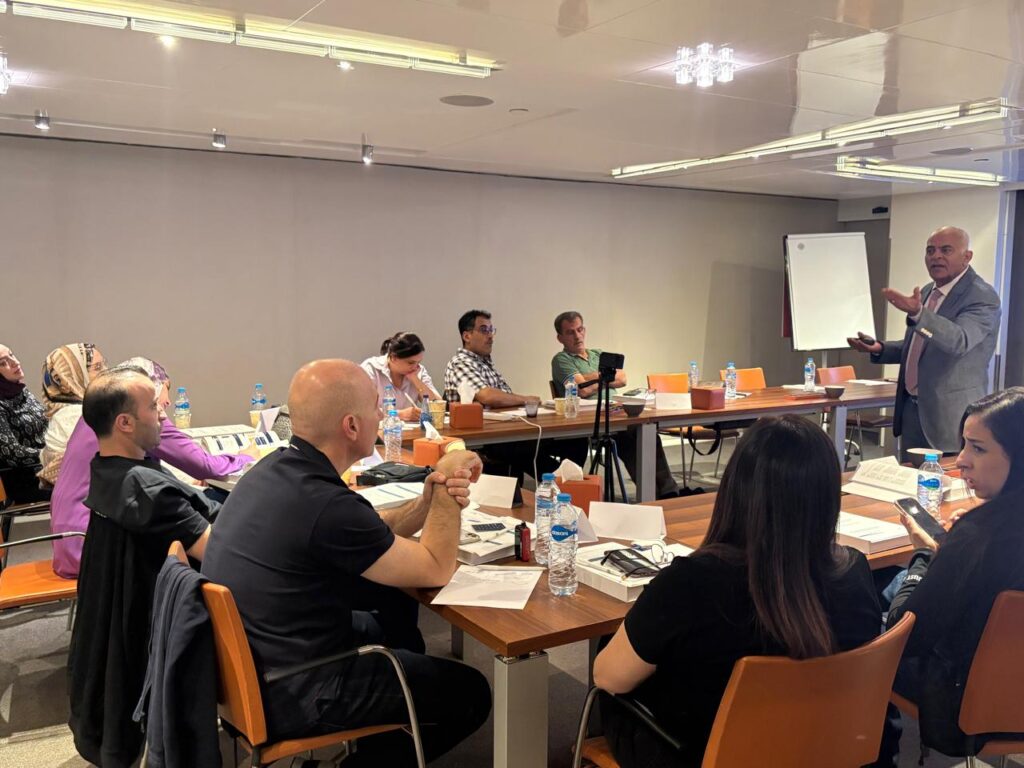
Over five days, the programme combines specialised technical lectures, interactive workshops, and practical field visits, providing participants with an integrated learning experience that bridges theoretical knowledge with hands-on practice and introduces them to the latest approaches and technologies in solid waste management and sustainable municipal services.
Key Training Areas
The programme covers a range of specialised areas, including:
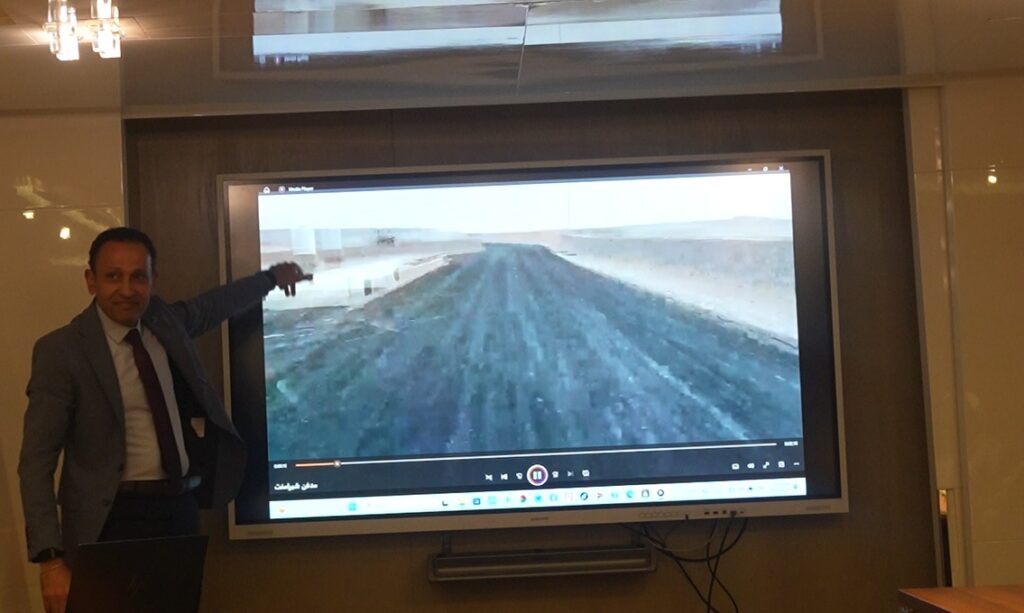
• Integrated Management and Engineering Technologies: Introducing the latest solid waste treatment technologies, along with environmental and engineering standards and considerations for the design of sanitary landfills and associated road and service networks.
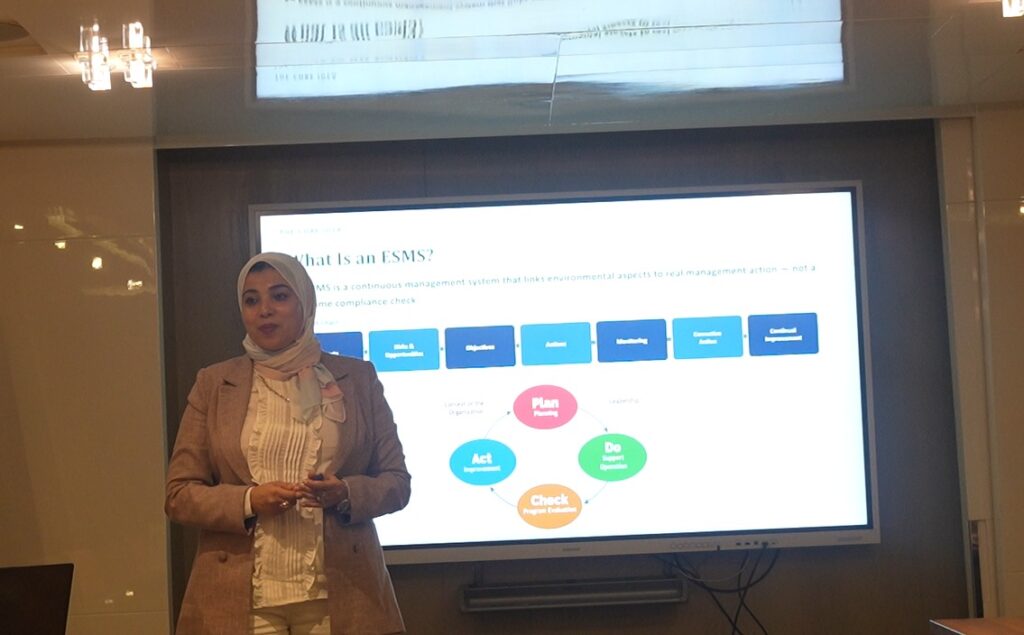
• Environmental Management Systems and Climate Action: Exploring Environmental Management Systems (EMS) and Environmental and Social Management and Monitoring Plans (ESMPs), as well as adaptation and mitigation measures and approaches to integrating climate action into urban planning and municipal cleaning service contracts.
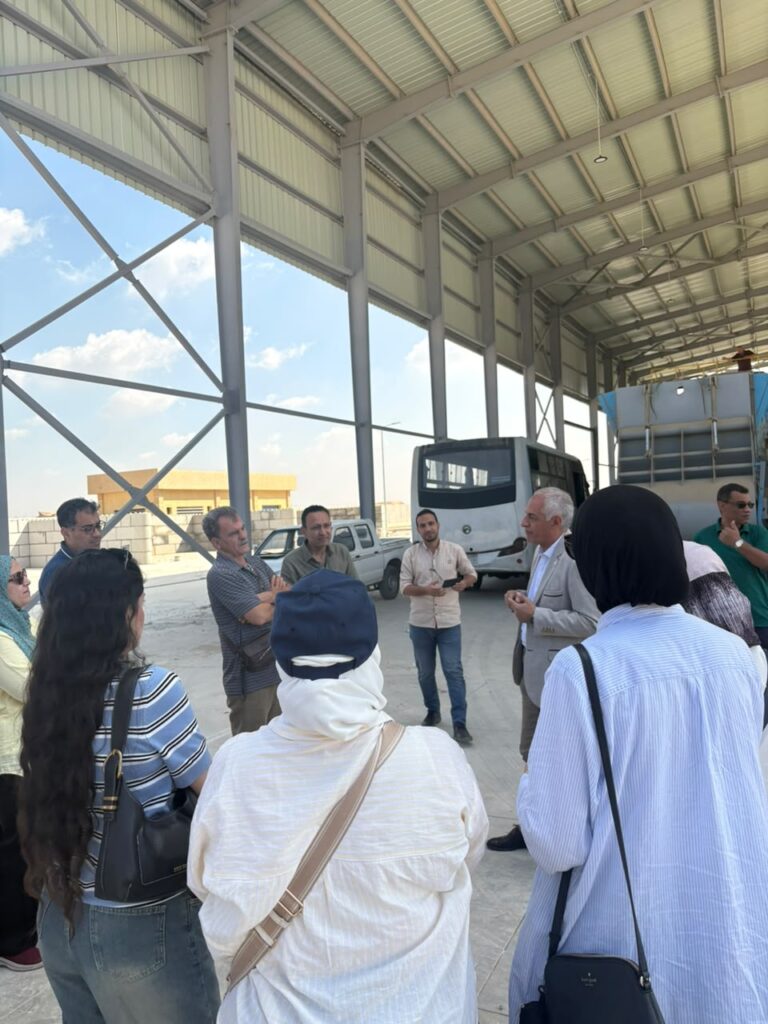
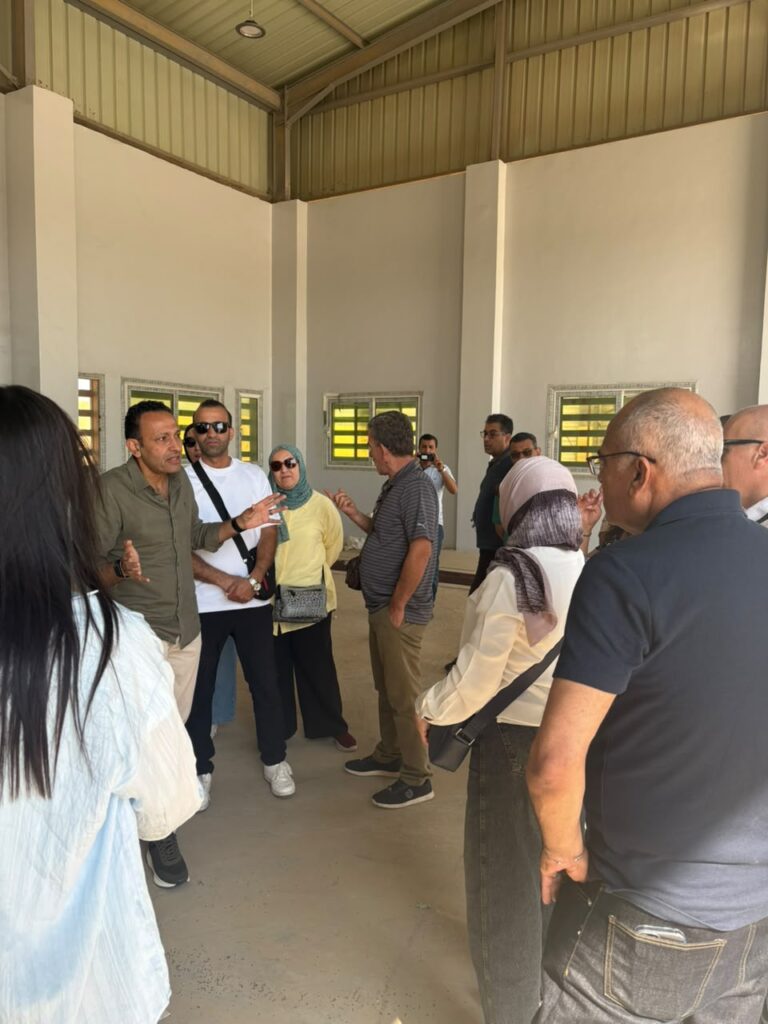
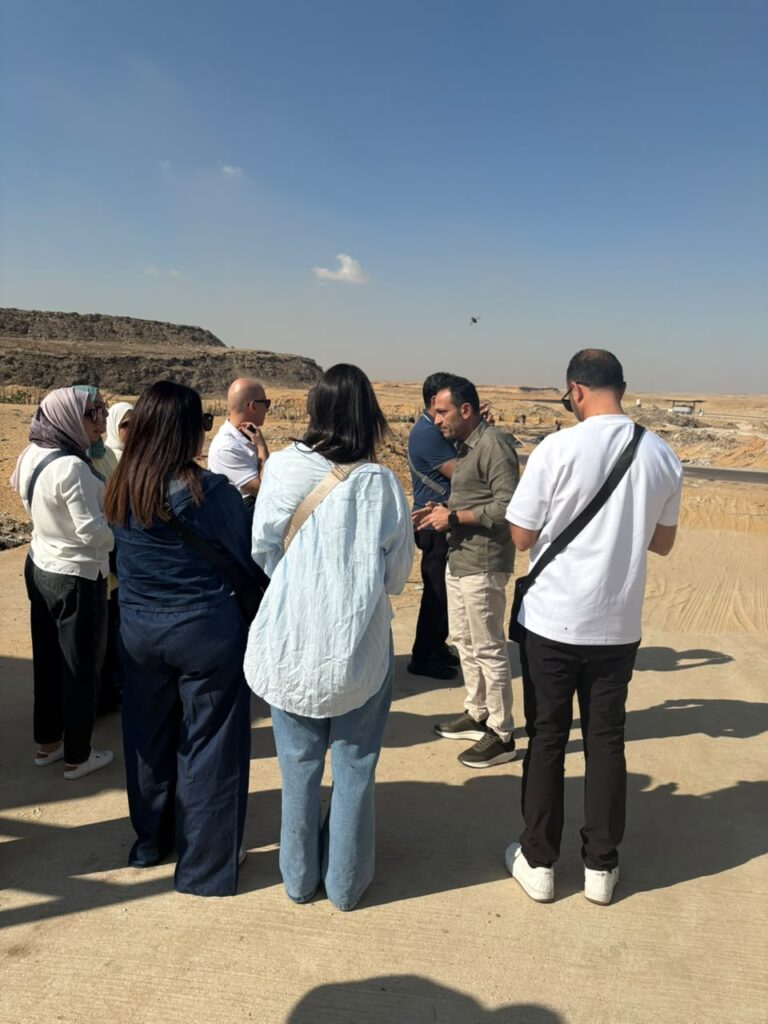
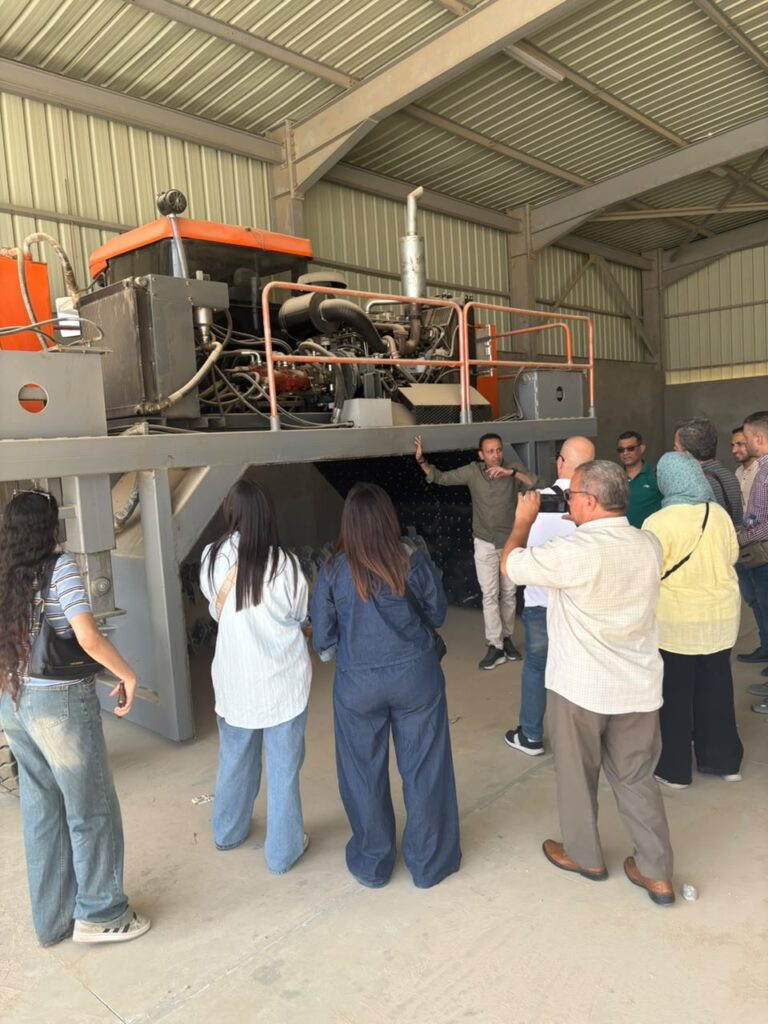
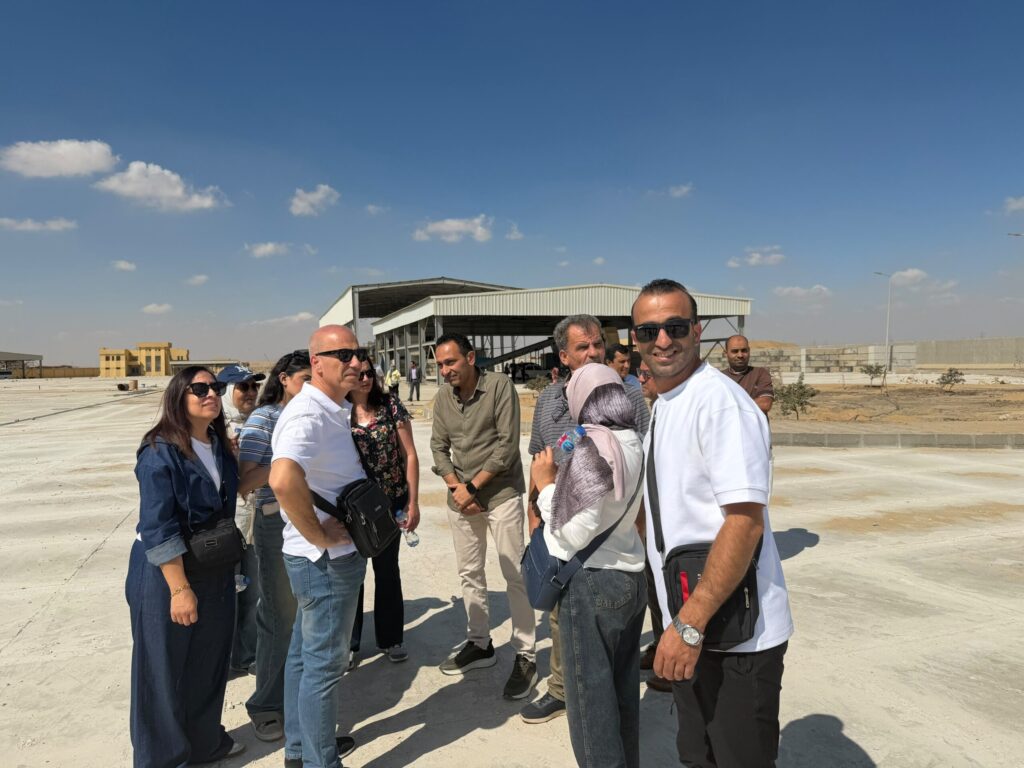
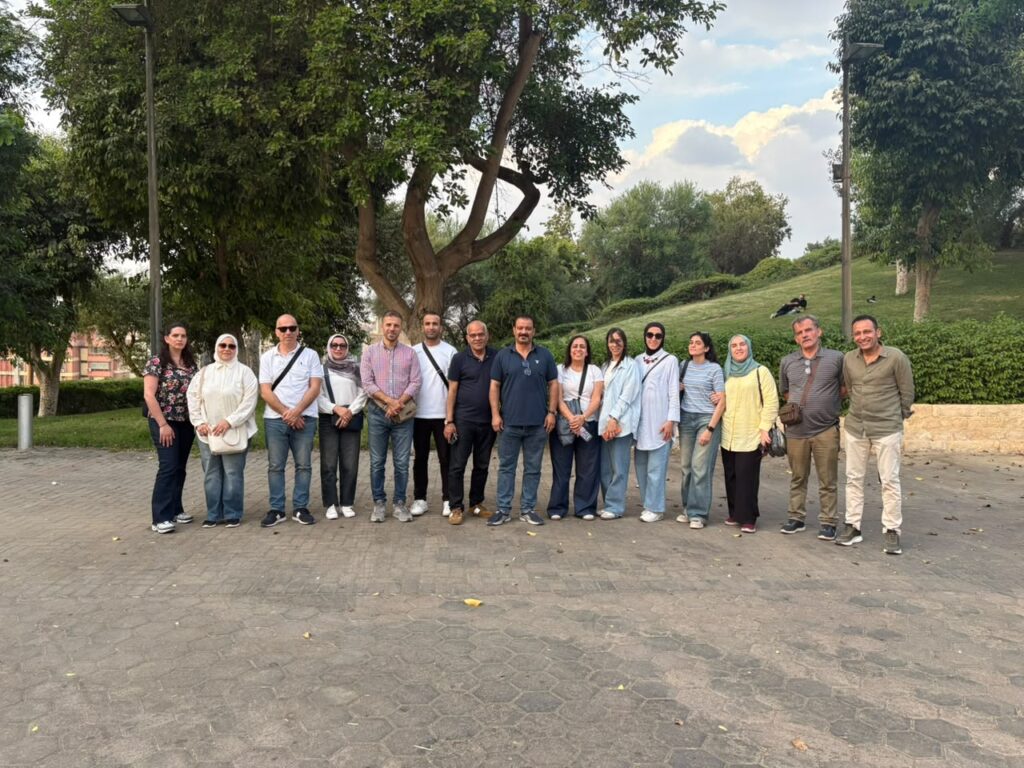
• Field Visits and Practical Application: The programme includes field visits designed to provide first-hand exposure to solid waste management systems, including a visit to the Mechanical Biological Treatment (MBT) plant and sanitary landfill in Shabramant, an on-site review of waste collection and transportation operations carried out by a service provider in Cairo Governorate, and a visit to Al-Azhar Park as a leading model of environmental rehabilitation and sustainable urban development.
• Resilient Infrastructure and the Circular Economy: Focusing on the development of infrastructure capable of withstanding the impacts of climate change, improving energy efficiency, promoting the use of renewable energy sources, assessing technical risks, and applying circular economy principles to waste management.
• Financing and Public–Private Partnerships (PPP): Addressing the fundamentals of public–private partnerships, feasibility studies and financial analysis of projects, enhancing project bankability, as well as financing mobilisation mechanisms and approaches to developing sustainable municipal services.
The implementation of this programme forms part of broader efforts to strengthen the capacities of Palestinian municipal staff and equip them with modern scientific and practical tools and methodologies. It supports the development of more efficient, resilient, and sustainable solid waste management systems while enhancing the ability of municipalities and local authorities to respond effectively to growing environmental and climate-related challenges at both the local and regional levels.
Through this programme, CEDARE reaffirms the importance of investing in capacity building, knowledge exchange, and the sharing of expertise as key pillars for advancing sustainable waste management and strengthening the resilience of cities and local authorities in the face of environmental and climate challenges.