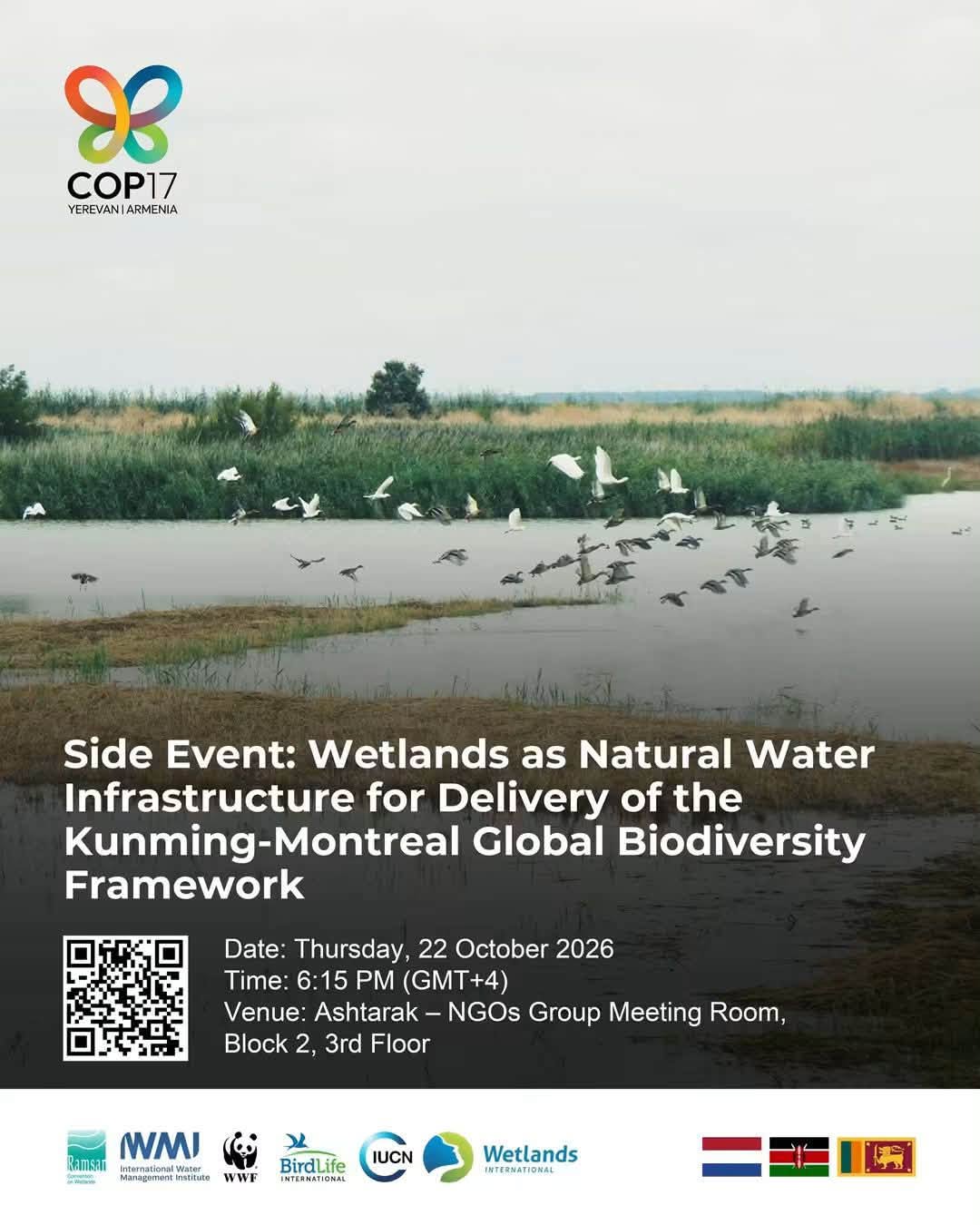
Yerevan, Armenia – 22 October 2026
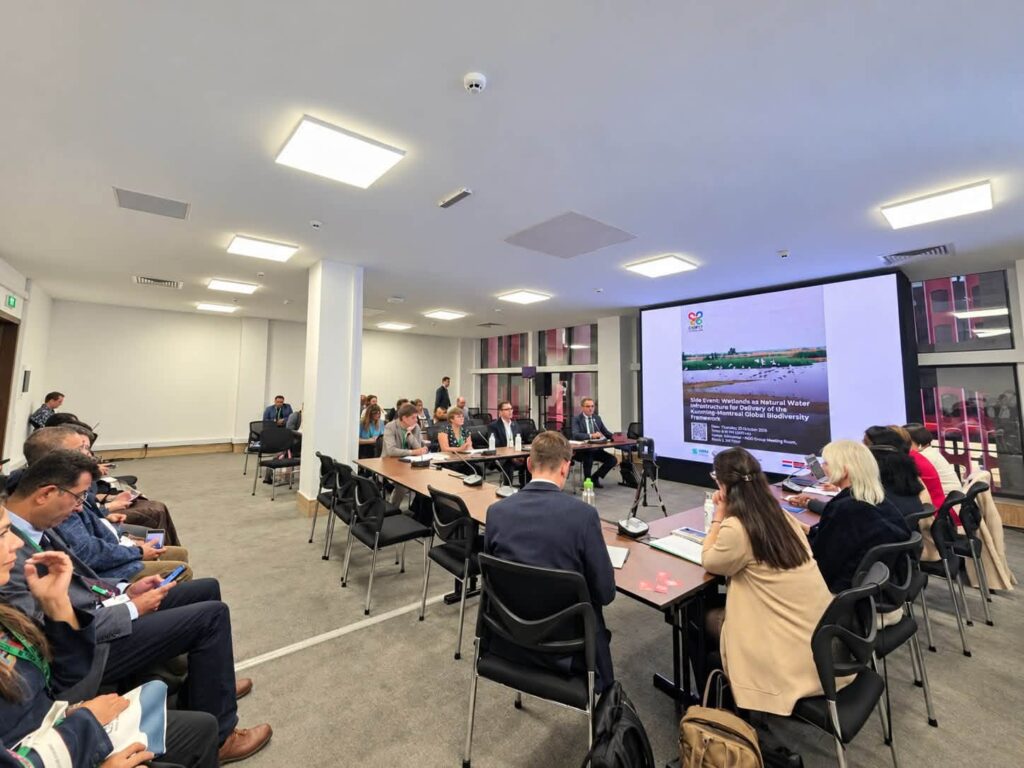
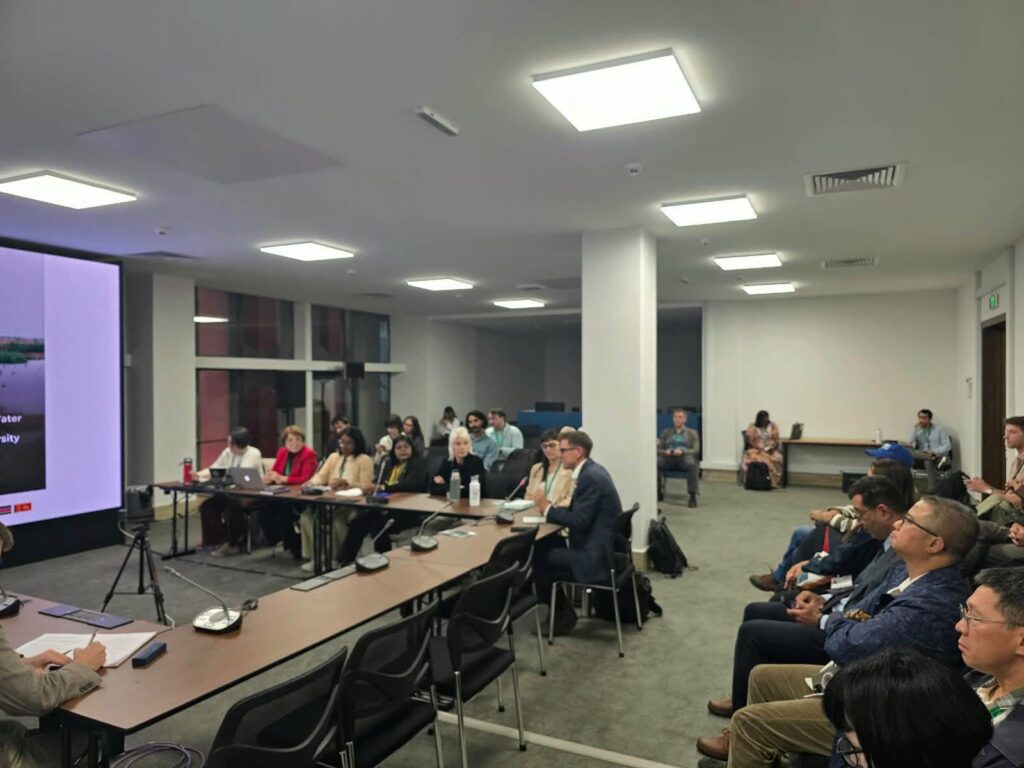
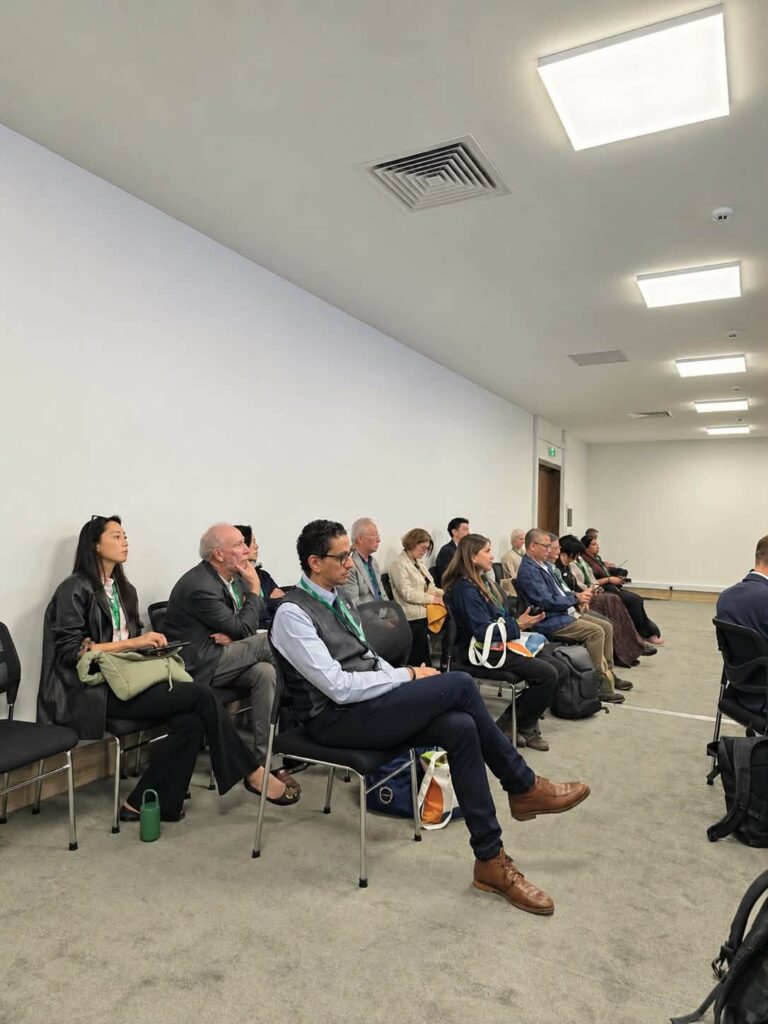
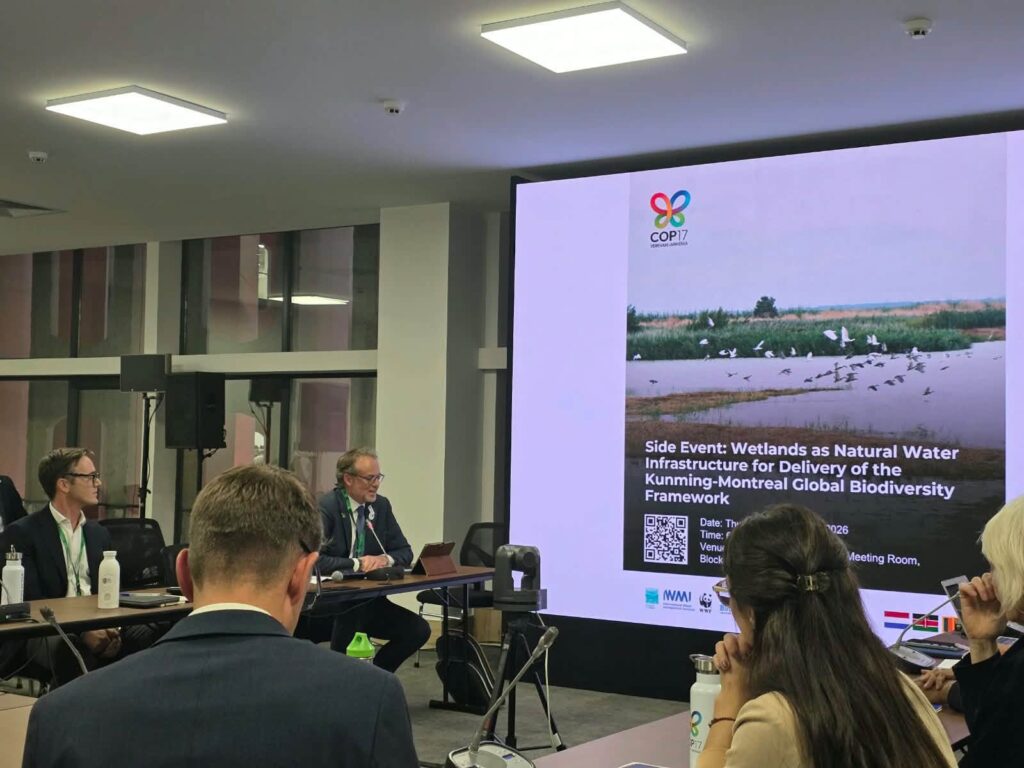
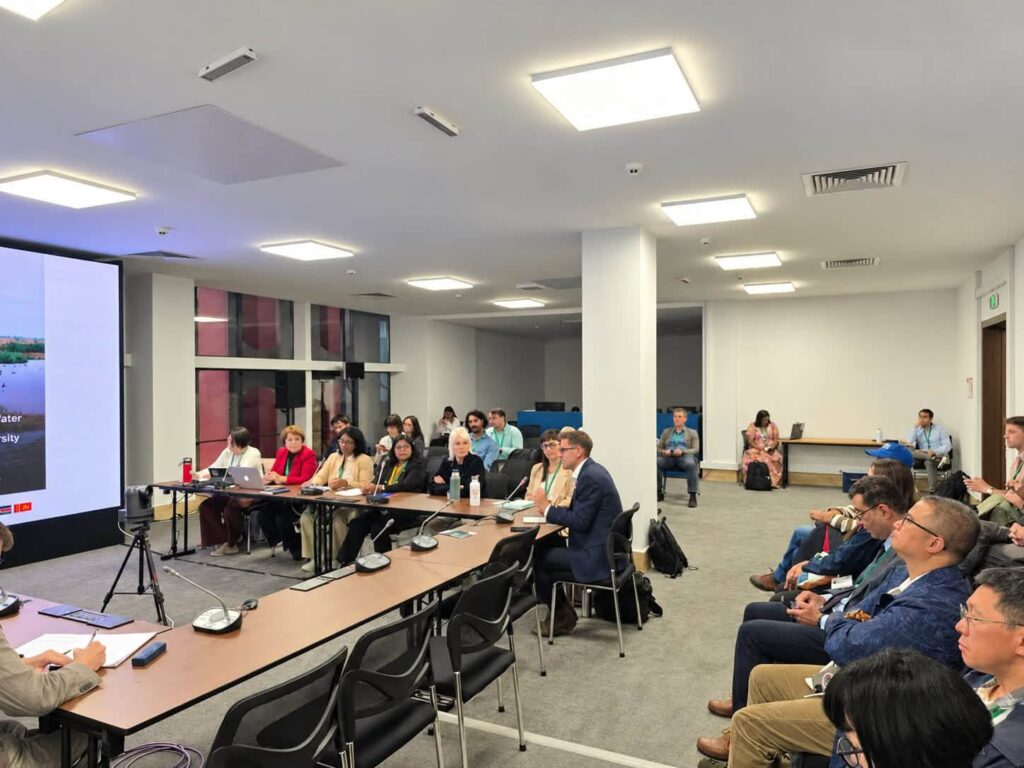
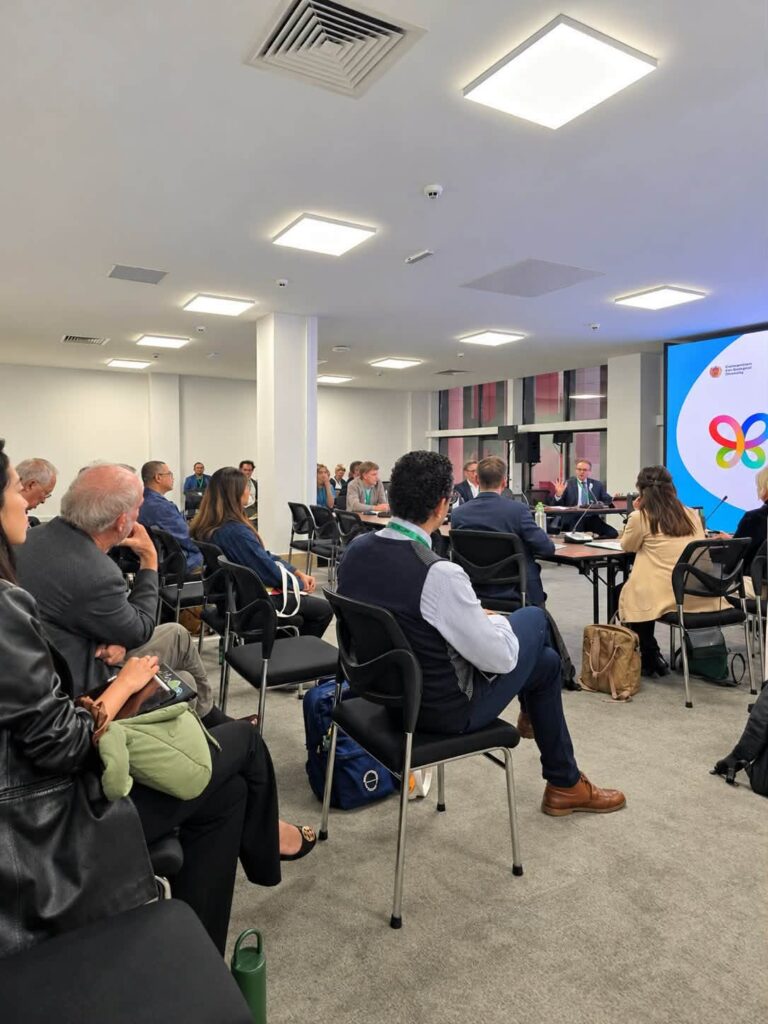
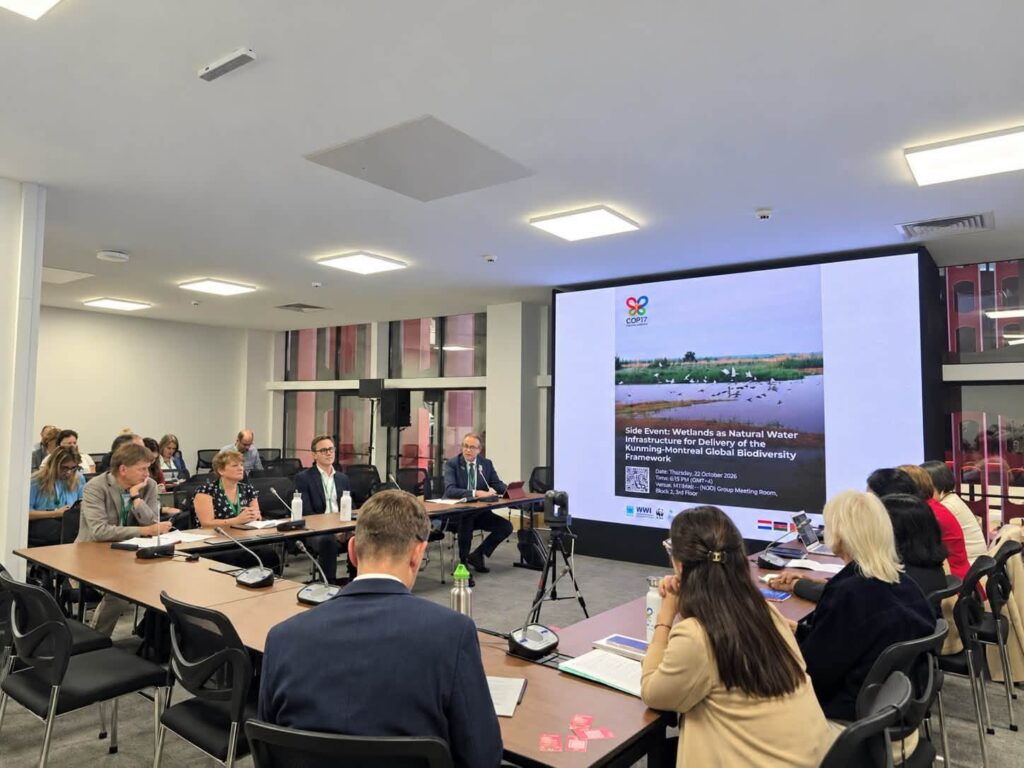
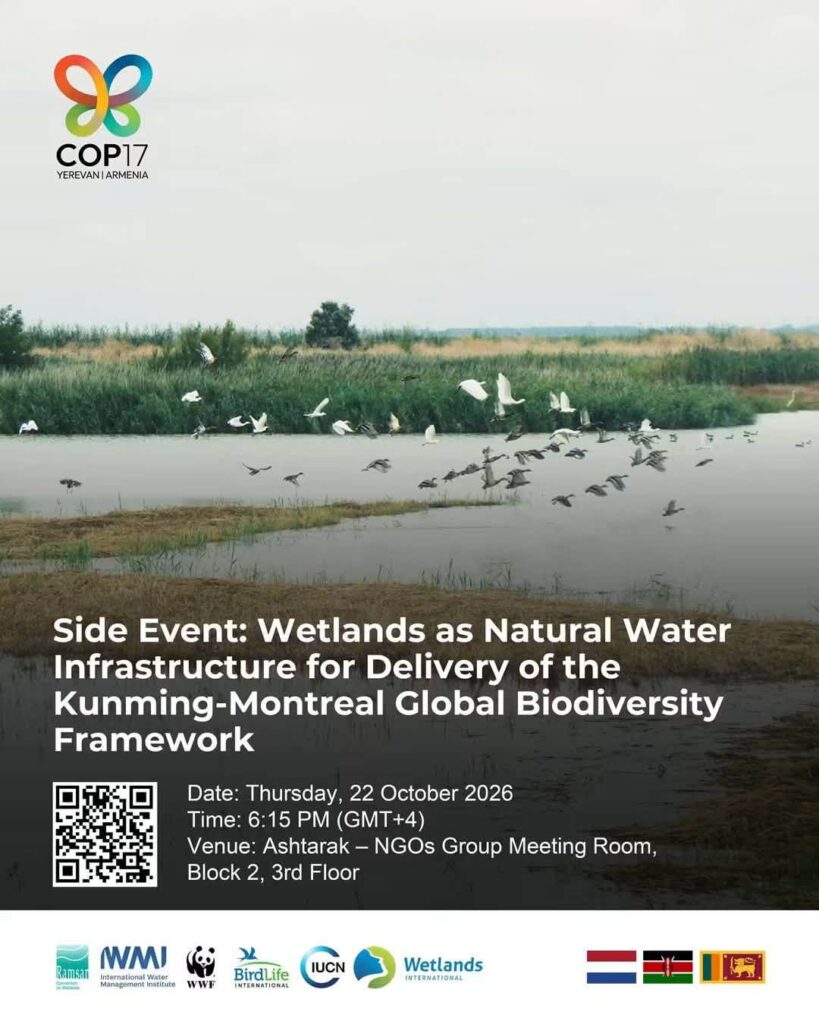
On the sidelines of the seventeenth meeting of the Conference of the Parties to the Convention on Biological Diversity (COP17), the Centre for Environment and Development for the Arab Region and Europe (CEDARE) participated in an international side event entitled “Wetlands as Natural Water Infrastructure for Delivery of the Kunming–Montreal Global Biodiversity Framework.”** The event explored the vital role of wetlands in strengthening water security, reducing flood and drought risks, conserving biodiversity, supporting livelihoods, and advancing sustainable development.
Discussions highlighted that wetlands are not merely biodiversity-rich natural habitats; they also function as natural infrastructure by storing water, replenishing groundwater, regulating water flows, and helping mitigate the impacts of extreme weather events. In this context, one of the speakers estimated the annual value of ecosystem services provided by the world’s remaining wetlands at approximately US$39 trillion, underscoring their environmental and economic significance.
The event showcased international experiences in applying nature-based solutions. These included the Netherlands’ experience in integrating wetland and floodplain restoration into infrastructure planning and flood-risk management, as well as Armenia’s efforts to restore aquatic ecosystems, improve watershed management, and develop low-cost, nature-based wastewater treatment solutions that can be replicated in local communities.
Discussions also addressed the role of the private sector in wetland conservation and restoration, emphasizing the need to integrate biodiversity and water considerations into corporate operational and investment decisions rather than treating them solely as corporate social responsibility initiatives. Private-sector representatives presented examples of constructed wetlands used to improve water quality, reduce pollutants, and strengthen sustainable water management at quarry sites.
On financing, one speaker estimated global biodiversity finance at US$75–92 billion annually for the 2023–2025 period, highlighting the importance of reforming subsidies harmful to nature, developing innovative financing mechanisms, and strengthening public–private partnerships. Speakers further emphasized the need to direct investments according to the needs of interconnected ecosystems and river basins, rather than treating individual wetland sites in isolation from their wider hydrological context.
The discussions underscored the importance of strengthening integration across water, biodiversity, and climate policies; scaling up nature-based solutions; and developing sustainable financing mechanisms to support wetland conservation and restoration, thereby contributing to the objectives of the Kunming–Montreal Global Biodiversity Framework.
CEDARE’s participation in this side event formed part of its engagement in COP17 and its follow-up on international discussions related to biodiversity, nature-based solutions, sustainable finance, and the exchange of experiences relevant to environmental and development challenges across the Arab region.