Yerevan, Armenia | 23 October 2026
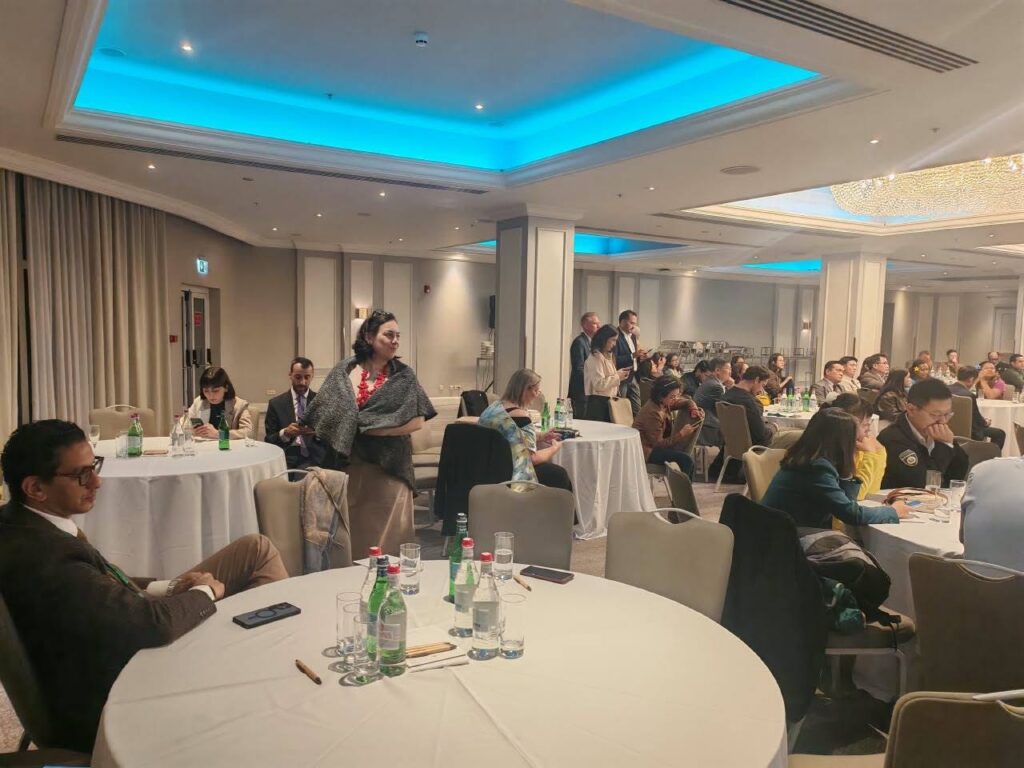
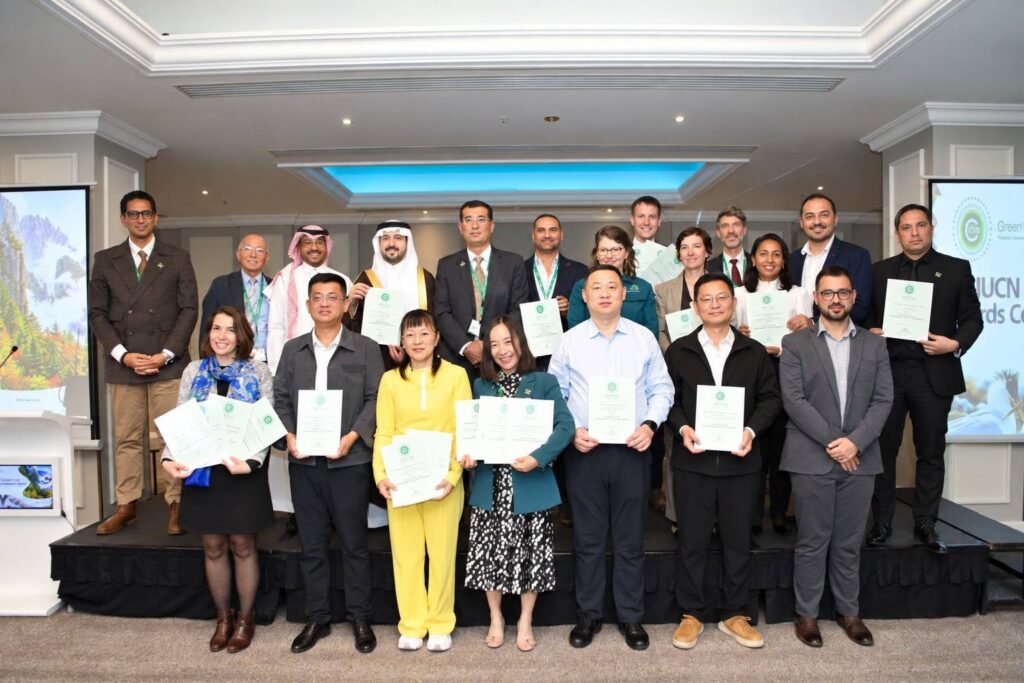
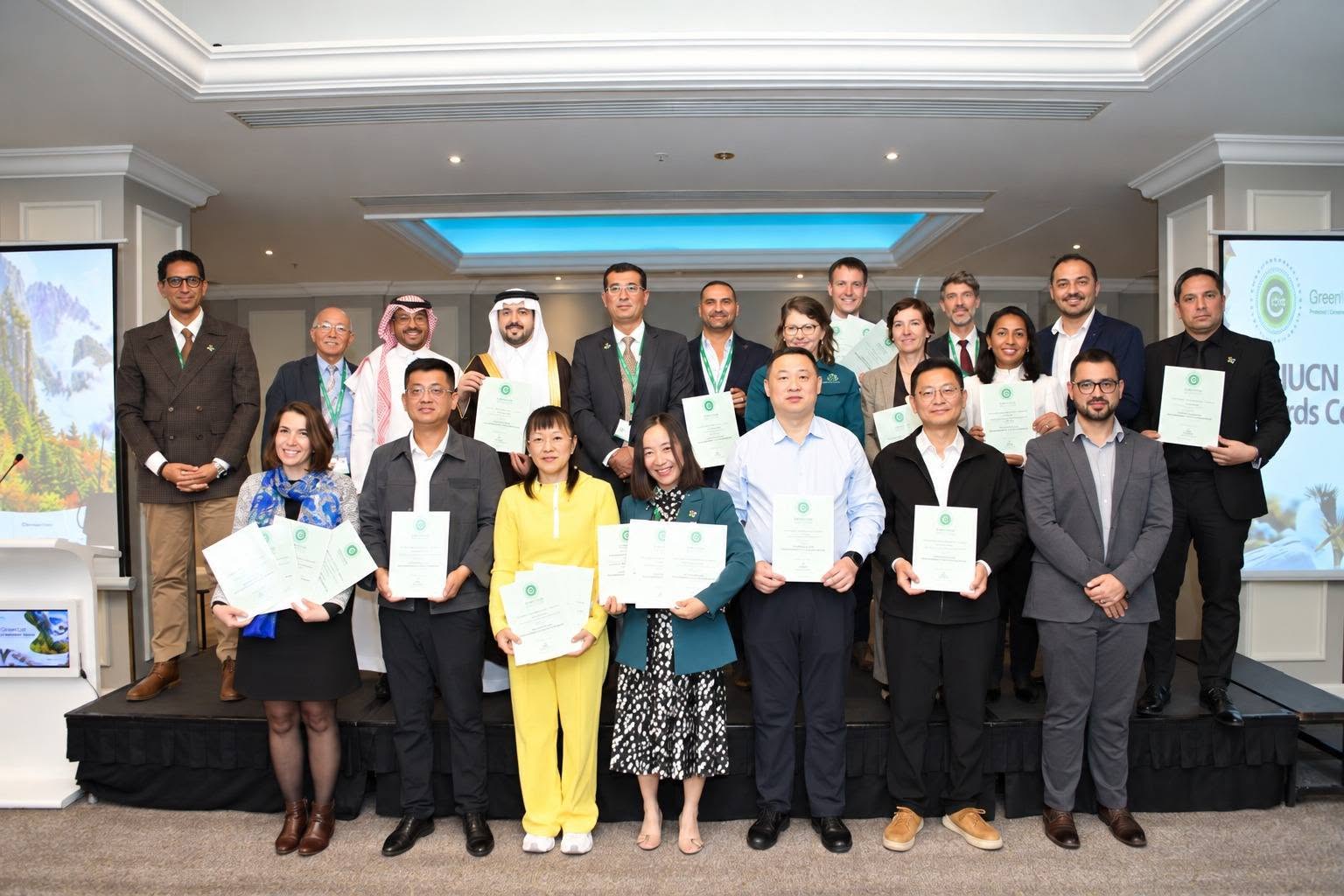
The Centre for Environment and Development for the Arab Region and Europe (CEDARE) participated in the IUCN Green List Awards Ceremony, organised by the International Union for Conservation of Nature (IUCN) on the sidelines of the seventeenth meeting of the Conference of the Parties to the Convention on Biological Diversity (CBD COP17) in Yerevan, Armenia. The ceremony celebrated achievements in protected and conserved area management and highlighted the importance of effective, equitable and sustainable approaches to nature conservation.
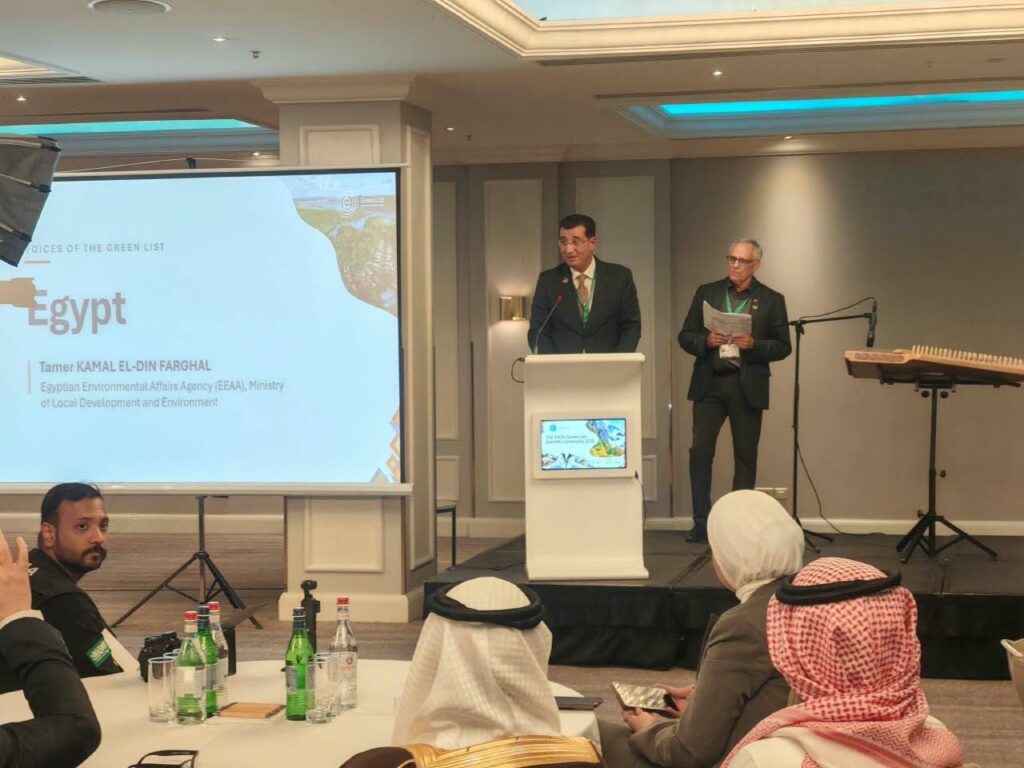
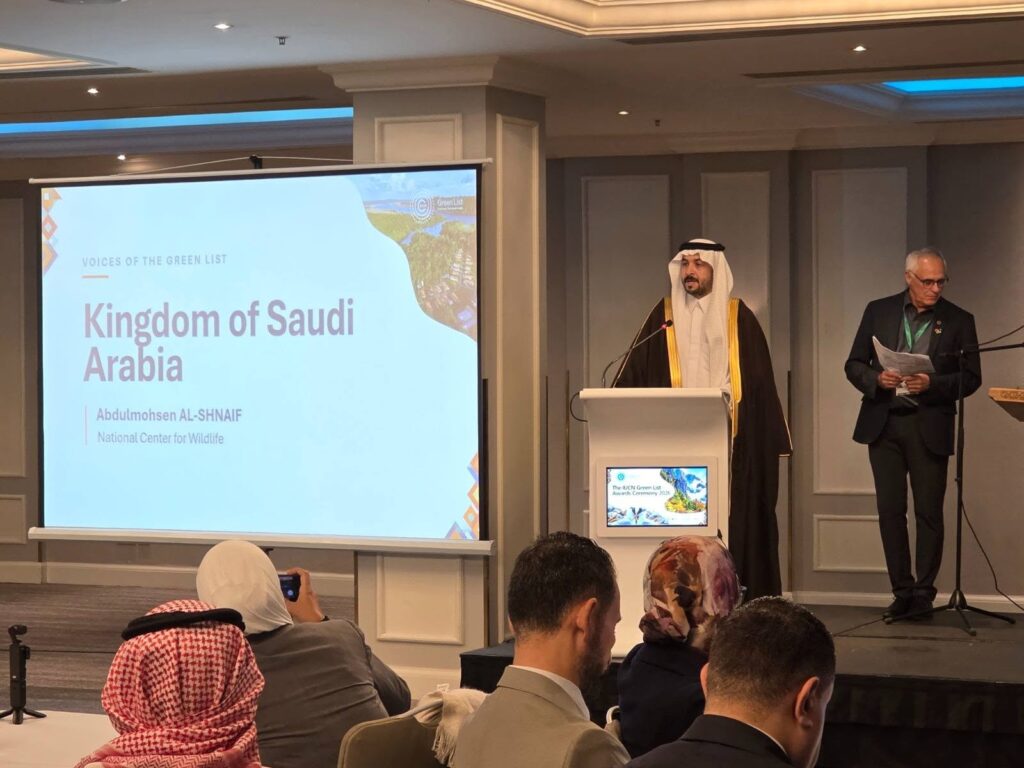
A total of 25 protected and conserved areas were recognised during the ceremony. Twelve sites achieved IUCN Green List status for the first time, while 13 successfully renewed their recognition. Among the recognised sites were Egypt’s Wadi Al-Hitan Protected Area, which renewed its Green List status, and Saudi Arabia’s Farasan Islands Protected Area, which was listed for the first time. Their recognition highlights the contribution of Arab countries to biodiversity conservation and improved protected area management.
The presentation on Egypt’s Wadi Al-Hitan highlighted the site’s outstanding scientific and heritage value, particularly its fossilised whale remains dating back more than 40 million years. It also outlined efforts to strengthen site management, enhance environmental awareness, train tourism guides, encourage local community participation, and connect natural heritage conservation with scientific research and sustainable tourism.
The first-time listing of Saudi Arabia’s Farasan Islands marked an important milestone in the application of international standards for protected area management. Together, the two sites illustrate the diversity of conservation priorities across the Arab region, spanning globally significant fossil heritage and distinctive island and marine ecosystems rich in biodiversity.
Discussions throughout the ceremony emphasised that the IUCN Green List is more than an international recognition scheme. It provides a framework for continuous improvement in management effectiveness and governance, helping protected and conserved areas identify gaps, strengthen community participation and deliver lasting conservation outcomes.
Speakers also stressed that achieving the global target of conserving 30% of the world’s land and sea by 2030 requires more than expanding the coverage of protected areas. It also demands effective management, equitable governance and demonstrable benefits for nature and local communities, in line with the Kunming–Montreal Global Biodiversity Framework.
In this context, IUCN highlighted the role of the IUCN Global Standard for Effective and Equitable Protected and Conserved Areas in providing a common framework for assessing management quality and governance. The organisation also outlined its ambition to reach 1,000 Green List sites by 2030, while supporting more protected and conserved areas in identifying management gaps, strengthening institutional and technical capacity, and improving conservation outcomes.
CEDARE’s participation reflects its continued interest in biodiversity conservation, sustainable natural resource management and regional cooperation. The discussions highlighted opportunities to strengthen knowledge exchange across the Arab region and support countries in improving protected area management and translating global biodiversity commitments into practical, measurable results.