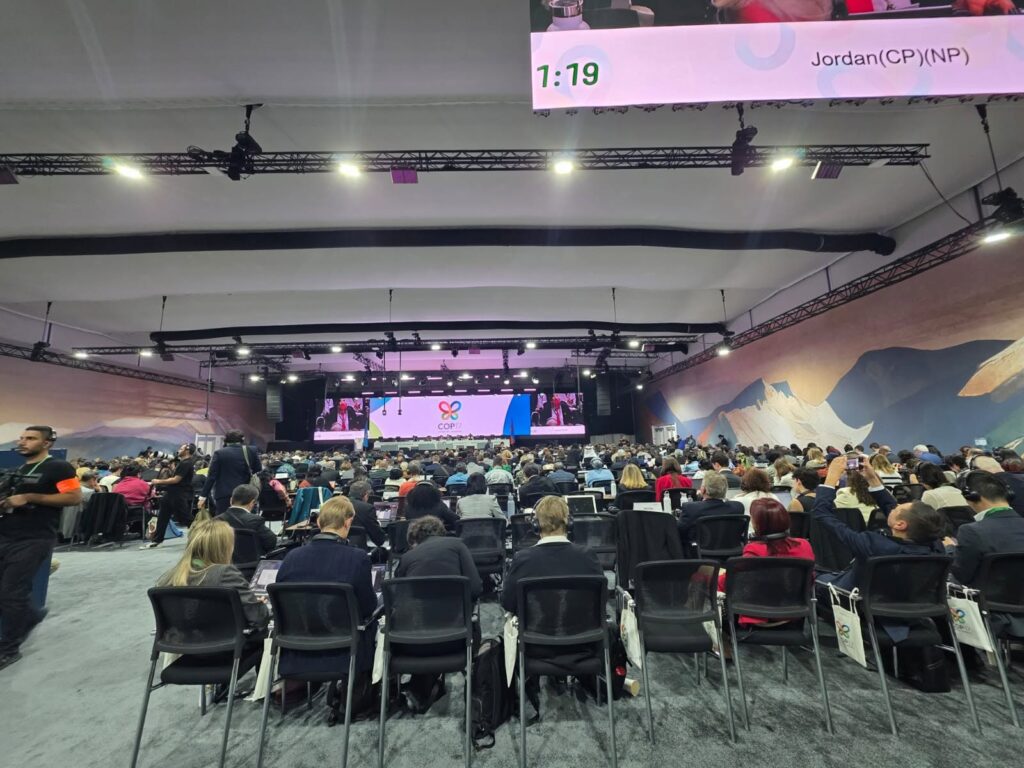
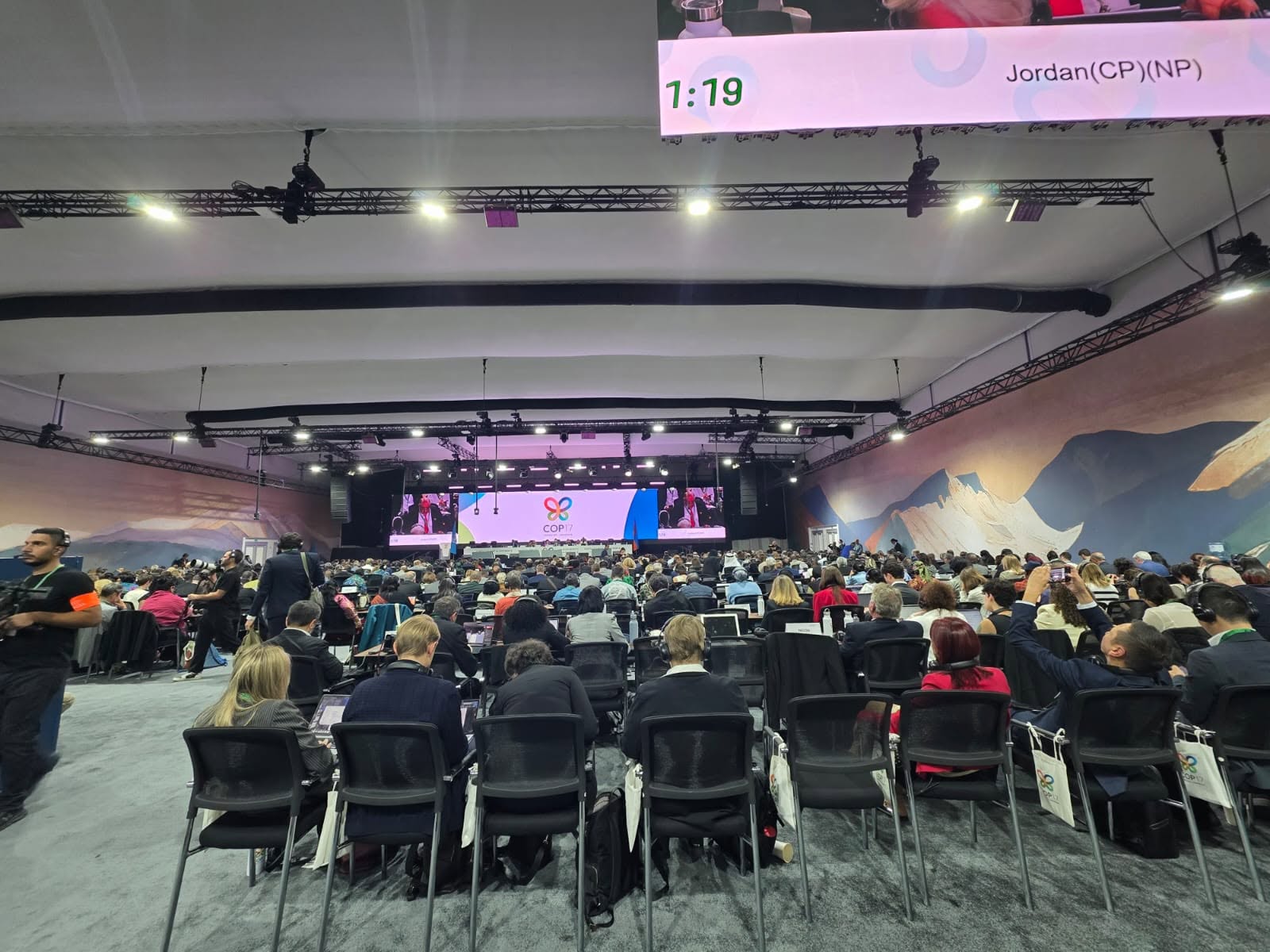
As part of the participation of the Centre for Environment and Development for the Arab Region and Europe (CEDARE) in the 17th Conference of the Parties to the Convention on Biological Diversity (COP17) held in Yerevan, Armenia, from October 19 to 30, 2026 the first three days of the conference featured a range of discussions and debates. These focused on the future of biodiversity, financing mechanisms, scientific cooperation, and the specific priorities of the Arab region.
As part of the participation of the Centre for Environment and Development for the Arab Region and Europe (CEDARE) in the 17th Conference of the Parties (COP17) to the Convention on Biological Diversity held in Yerevan, Armenia, from October 19 to 30, 2026 we highlight the events of the conference’s first three days. This includes the international discussions and negotiations that took place regarding the future of biodiversity, financing mechanisms, scientific and technical cooperation, and the priorities of the Arab region.
Financing, Benefit-Sharing, and Strengthening National Implementation
Discussions on the second day focused on technical and institutional issues related to the implementation of the Convention and the Cartagena and Nagoya Protocols. Key topics included:
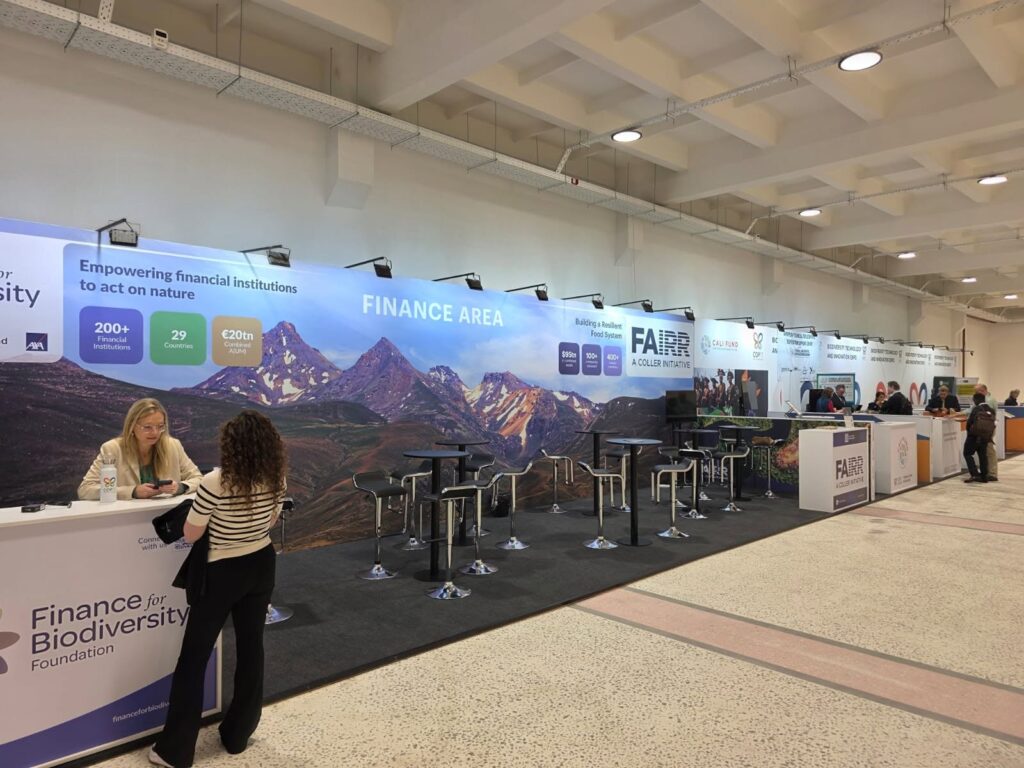
• Environmental Financing: Deliberations on the criteria for the financial mechanism encompassing transparency, accountability, and governance as well as access to funding for eligible countries. Meanwhile, differences persist regarding which entities should contribute to the provision of resources.
Implementation and Monitoring: A need has emerged to strengthen national capacities, improve monitoring and reporting systems, and provide the necessary financial and technical support to meet international commitments.
• Mainstreaming Biodiversity into Economic Sectors: Discussions underscored the importance of integrating biodiversity considerations into business activities, investments, and project planning, thereby supporting sustainable practices and reducing pressures on ecosystems.
• Science and Policy: Deliberations addressed the role of scientific assessments in supporting decision-making, as well as strengthening the linkages between environmental policies and sustainable development priorities.
Egyptian interventions also underscored the importance of supporting national biodiversity financing plans, encouraging innovative financing backed by appropriate safeguards streamlining access to funding, and enhancing transparency.
Scientific and Technical Cooperation and Priorities for the Arab Region
The third day focused on cooperation between regional and international centers, the exchange of expertise, and capacity building, alongside a review of practical experiences in restoring coastal ecosystems.
The work of the Technical and Scientific Cooperation Center for West Asia which serves 12 Arab countries was highlighted as being of direct relevance to the region. Key needs identified included strengthening technical knowledge in the Arabic language, developing monitoring and evaluation systems, managing protected areas, restoring ecosystems, and mobilizing financial resources.
The discussions also highlighted the importance of coordination among technical and scientific cooperation centers to exchange expertise and develop joint projects, thereby avoiding the duplication of efforts while addressing challenges such as limited financial and human resources and the difficulty of accessing international funding.
Regarding initiatives for the restoration of coastal ecosystems, the events showcased practical experiences in restoring habitats for marine mammals and birds, the use of spatial data and monitoring technologies, and the development of scalable projects, alongside the assessment of the associated economic benefits.
Key Messages and Recommendations
The first three days of the conference highlighted several priorities of significance to the Arab region, most notably:
1. Strengthening sustainable financing for biodiversity and ensuring that countries have accessible pathways to the financial resources required for implementation.
2. Developing institutional and technical capacities, while improving databases, monitoring and evaluation systems, and reporting mechanisms.
3. Expanding regional cooperation and the exchange of expertise among specialized centers, universities, and research institutions.
4. Integrating biodiversity into project planning and investments and aligning environmental policies with sustainable development.
5. Fostering partnerships and mobilizing resources to develop practical, measurable, and evaluable projects, with a focus on achieving tangible results by 2030.
Dr. Mahmoud Fouad, Biodiversity Consultant – Centre for Environment and Development for the Arab Region and Europe (CEDARE) | Yerevan, Armenia