
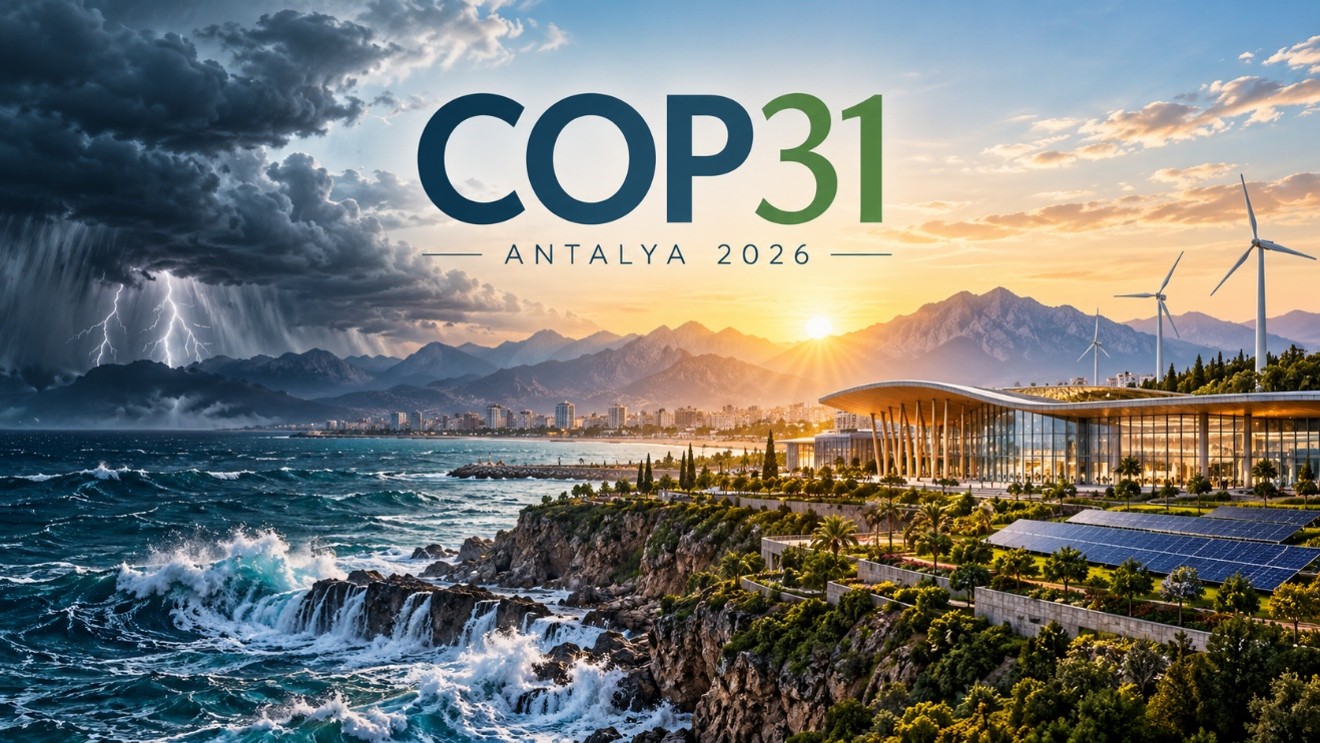
As climate disasters intensify, the upcoming COP31, scheduled for 9–20 November 2026 in Antalya, Türkiye, faces a critical test: restoring trust in international climate action by turning commitments into tangible results. With the world heading towards 2.8°C of warming under current policies, far beyond the Paris Agreement goals, the gap between climate pledges and implementation is becoming increasingly difficult to justify. Against mounting climate impacts, financial constraints, and persistent inequalities, COP31 must demonstrate that international cooperation can deliver meaningful protection for vulnerable communities (UN News, 2026). This challenge is reflected in four key priorities:
1. Moving from climate commitments to practical investments. COP31 will emphasize implementation through initiatives such as the Climate Implementation Bridge, developed by Türkiye and UNDP, to transform national climate commitments into investment-ready projects linked to financing. The challenge is no longer simply setting ambitious targets, but ensuring that countries have the technical, institutional, and financial capacity to deliver them.
2. Making climate finance accessible, affordable, and predictable. Developing countries continue to face significant barriers to climate investment, particularly high debt burdens and limited fiscal space. COP31 negotiations must therefore move beyond increasing financial pledges towards practical financing mechanisms that enable countries to invest in adaptation and mitigation without worsening their economic vulnerabilities.
3. Strengthening adaptation and ensuring a just transition. Building on COP30 outcomes, COP31 will seek to operationalize the just transition mechanism, improve the measurement of adaptation progress, and strengthen science-based adaptation planning. These efforts must reflect local needs and ensure that vulnerable communities benefit from climate investments and emerging technologies.
4. Addressing growing inequalities in climate action. Africa contributes approximately 3% of global greenhouse gas emissions yet experiences disproportionate climate impacts. Unequal access to finance and technology risks further widening the divide between countries capable of implementing climate commitments and those left behind, undermining confidence in international climate cooperation.
Ultimately, COP31’s success should be measured not by new promises, but by its ability to translate existing commitments into funded projects, stronger resilience, and measurable benefits for vulnerable populations. For the Arab region, this reinforces the importance of strengthening institutional readiness, developing bankable adaptation projects, and expanding regional cooperation to ensure equitable access to climate finance. Restoring trust in global climate action will depend on demonstrating that international commitments translate into meaningful results on the ground.