Cairo – September 30, 2026
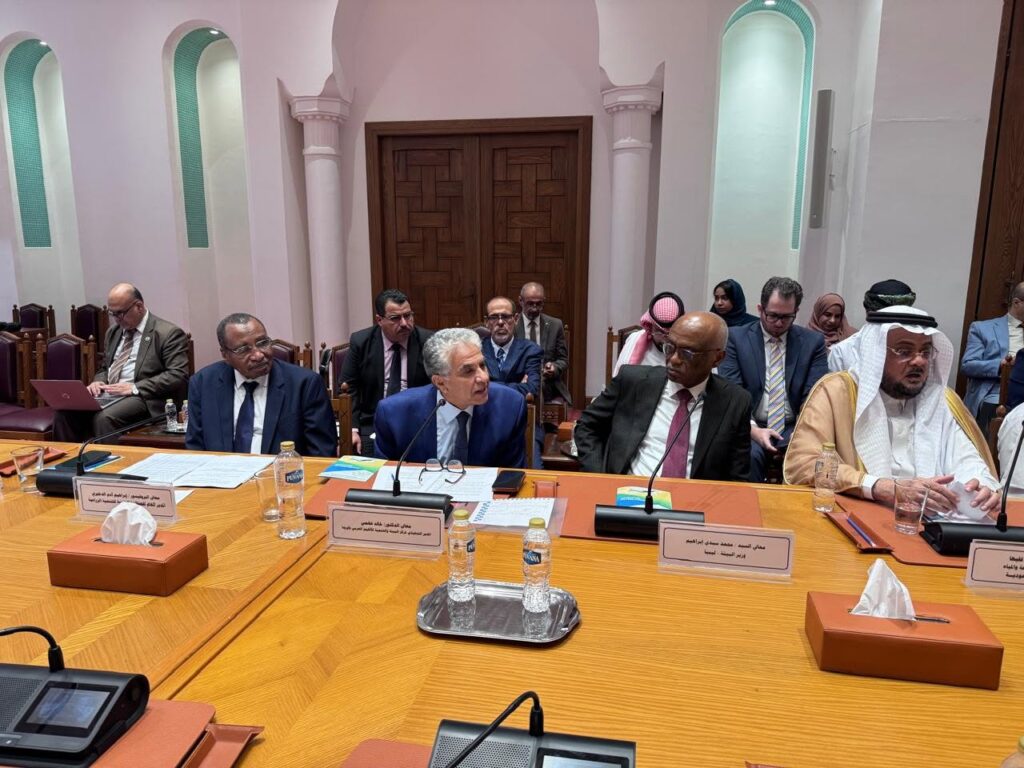
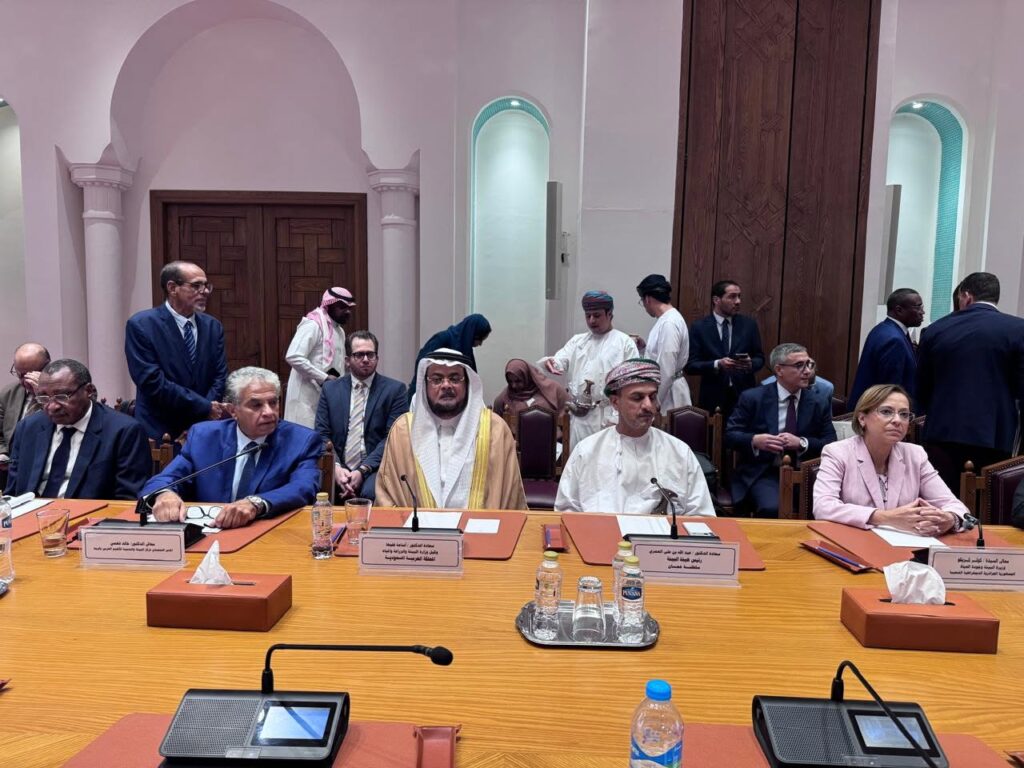
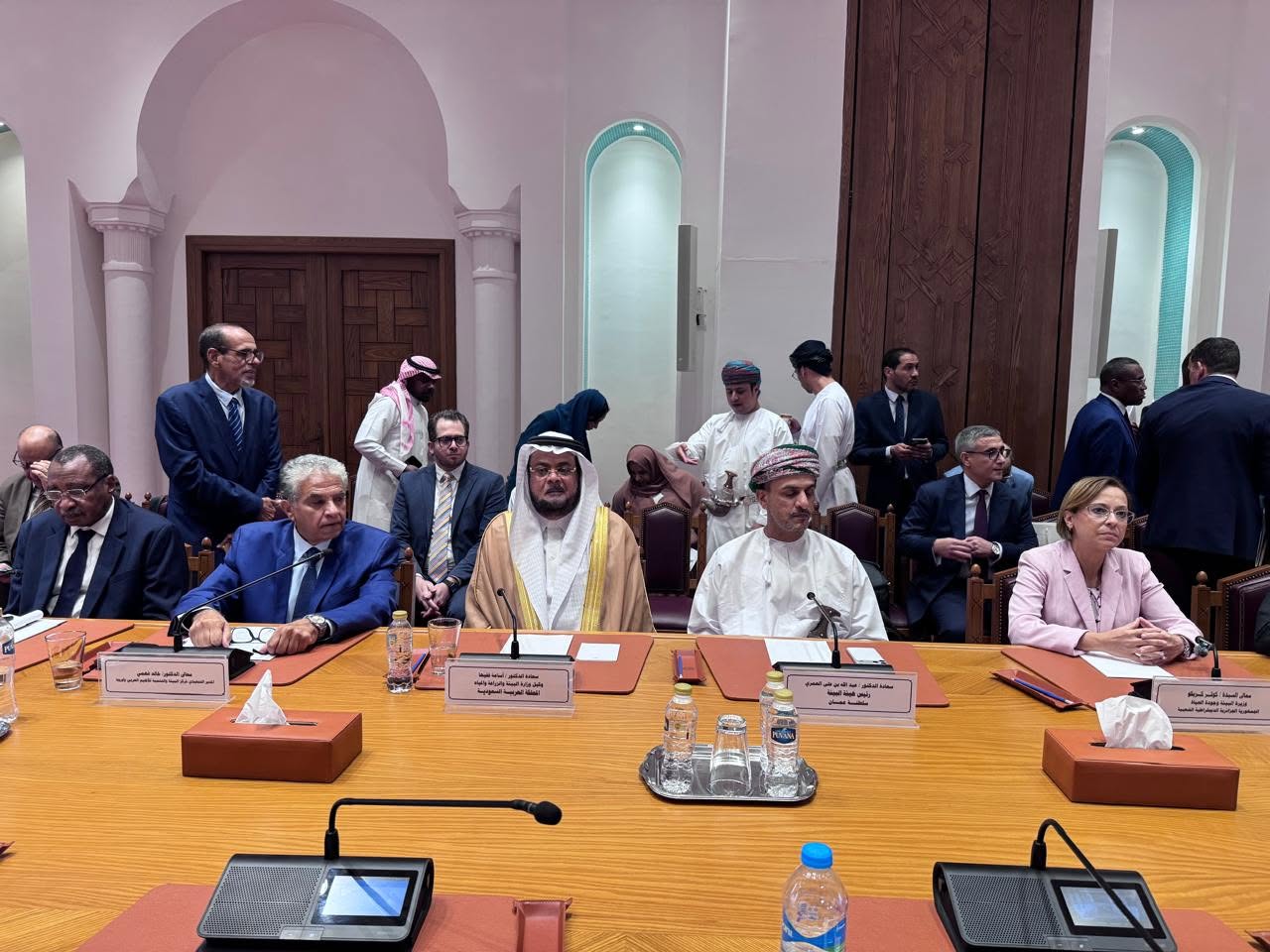
The General Secretariat of the League of Arab States in Cairo hosted the second day of the Fifth Arab Environment Forum, held under the theme “Rangeland Sustainability Supports Resilience.” The event brought together Arab environment ministers and senior officials from Egypt, Iraq, Algeria, Oman, Palestine, Libya, and Mauritania, alongside representatives of the General Secretariat of the League of Arab States.
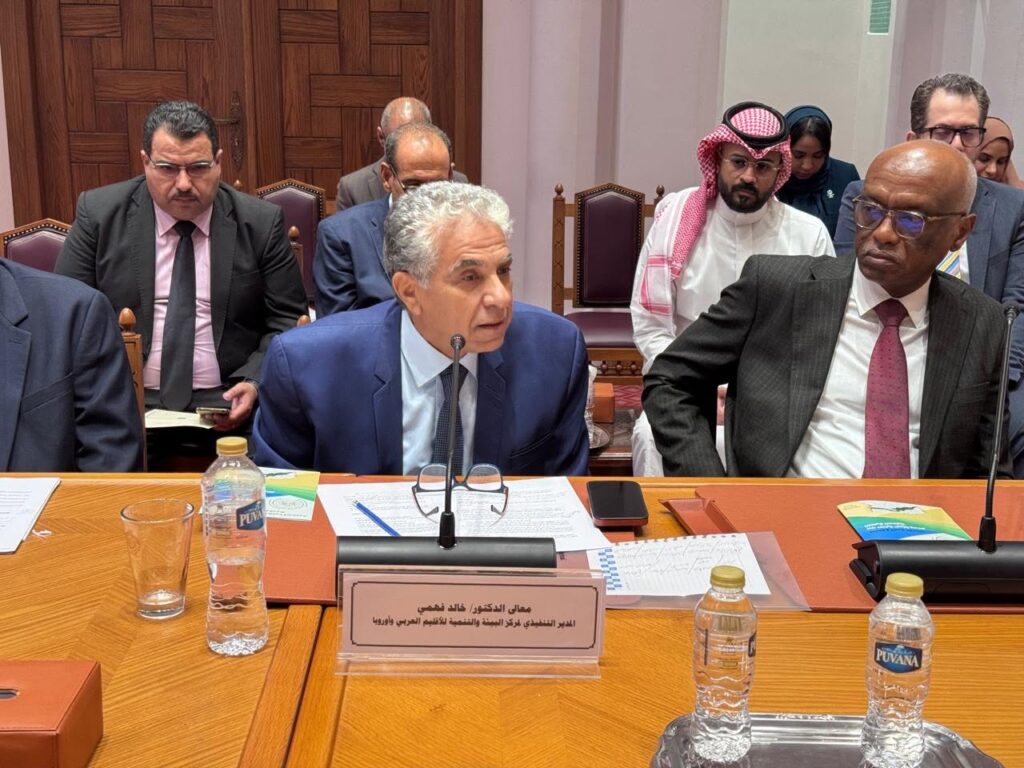
During the ministerial dialogue session titled “Towards a Unified Arab Vision for Rangelands and Pastoralists,” H.E. Dr. Khaled Fahmy, Executive Director of the Centre for Environment and Development for the Arab Region and Europe (CEDARE) and former Egyptian Minister of Environment, delivered a keynote address emphasizing that financing is a means, not an end. He stressed the importance of moving beyond the mere availability of data and studies towards effectively utilizing them to support decision-making and develop projects that are actionable and bankable.
Dr. Fahmy explained that the challenge facing the Arab region relates not only to the availability of data, but also to its quality, timeliness, consistency, comparability, and verifiability—all essential factors for transforming data into reliable information that can support decision-making and guide investment.
He noted that CEDARE can serve as a regional platform for coordination and for linking knowledge with policies and projects, supporting countries and national institutions in developing common frameworks for data collection and analysis and strengthening capacities in Monitoring, Reporting, and Verification (MRV), while taking into account the varying national priorities and capacities of Arab states.
Dr. Fahmy emphasized that many environmental and climate challenges—foremost among them water scarcity, dust storms, and rangeland degradation—transcend political and geographical boundaries. Addressing these challenges therefore requires stronger regional cooperation and an interconnected system for sharing data, knowledge, and expertise. Such cooperation can strengthen Arab countries’ capacity to address common challenges, harmonize methodologies, improve data quality, and directly link data to financing and implementation needs.
He also highlighted the importance of transforming climate data and knowledge into bankable projects by establishing clear baselines, measurable and verifiable indicators, and robust frameworks for assessing climate impacts. These measures can enhance the confidence of financial institutions and development partners while narrowing the information gap that may hinder access to climate finance.
In this context, Dr. Fahmy highlighted CEDARE’s experience in Egypt, in collaboration with the banking sector, in developing a “green list” of projects, helping to facilitate access to international investment and financing.
Dr. Khaled Fahmy concluded by emphasizing that CEDARE’s role is not limited to generating knowledge or collecting data. Rather, it extends to bridging the gap between knowledge and action, and between national priorities and international financing. Through this role, CEDARE contributes to narrowing the information gap and transforming data and knowledge into projects with clear, measurable, implementable, and fundable impacts.