Last Day of COP31: Empty Pavilions, Failed Promises of Dialogue, Consensus and Action
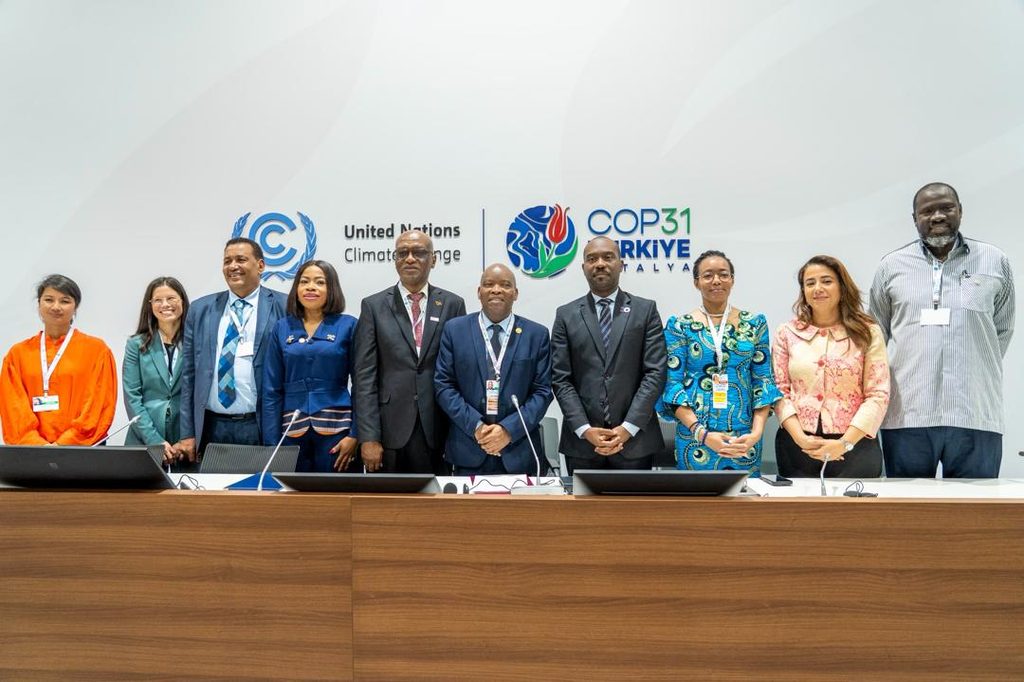
“We didn’t come here to beg. We came here to claim what is rightfully ours.”
— Dr. Zanetor Agyeman-Rawlings, Chair of the African Group of Negotiators, COP31, 20 November 2026.
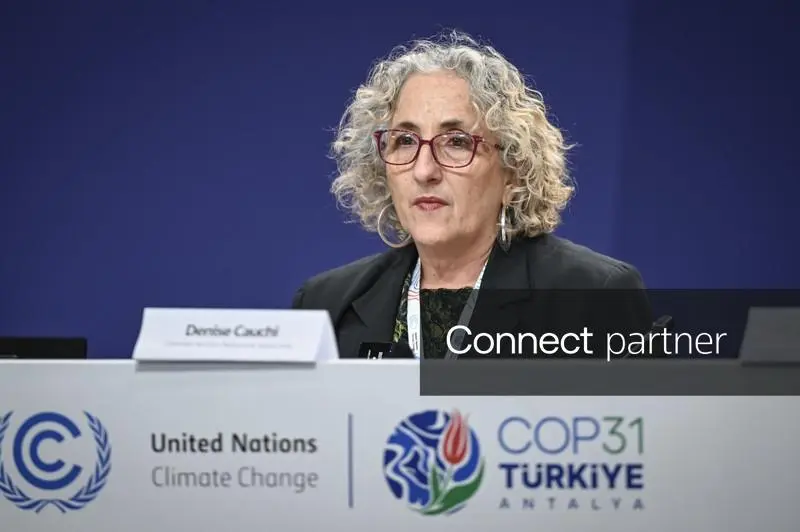
“The cover decision itself is a disgrace.”
— Dr. Denise Cauchi, Climate Action Network Australia, COP 31, 20 November 2026
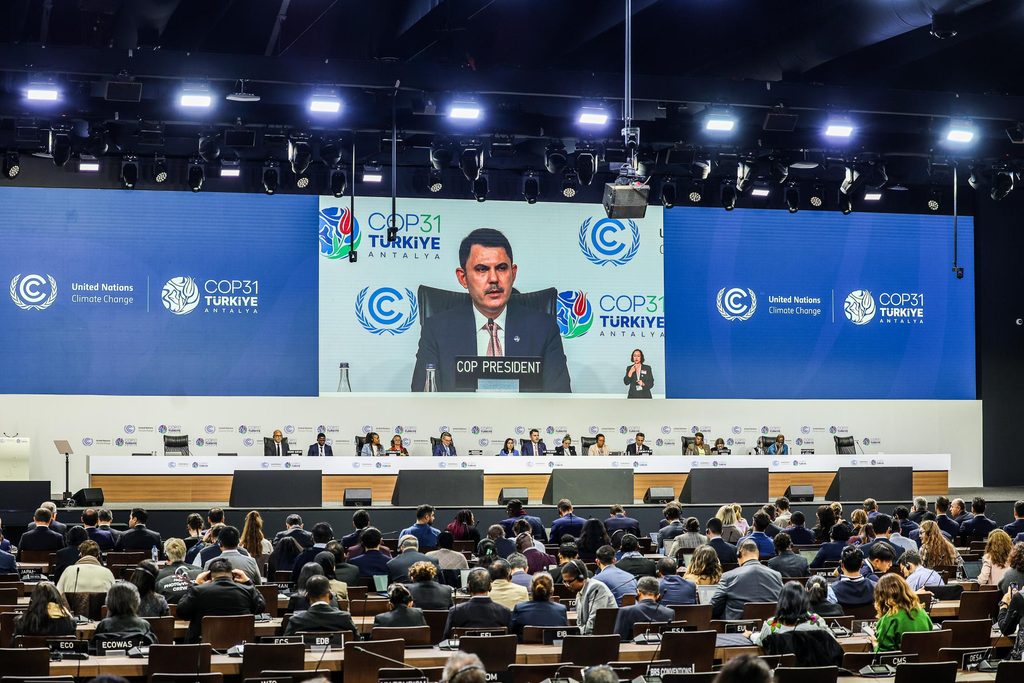
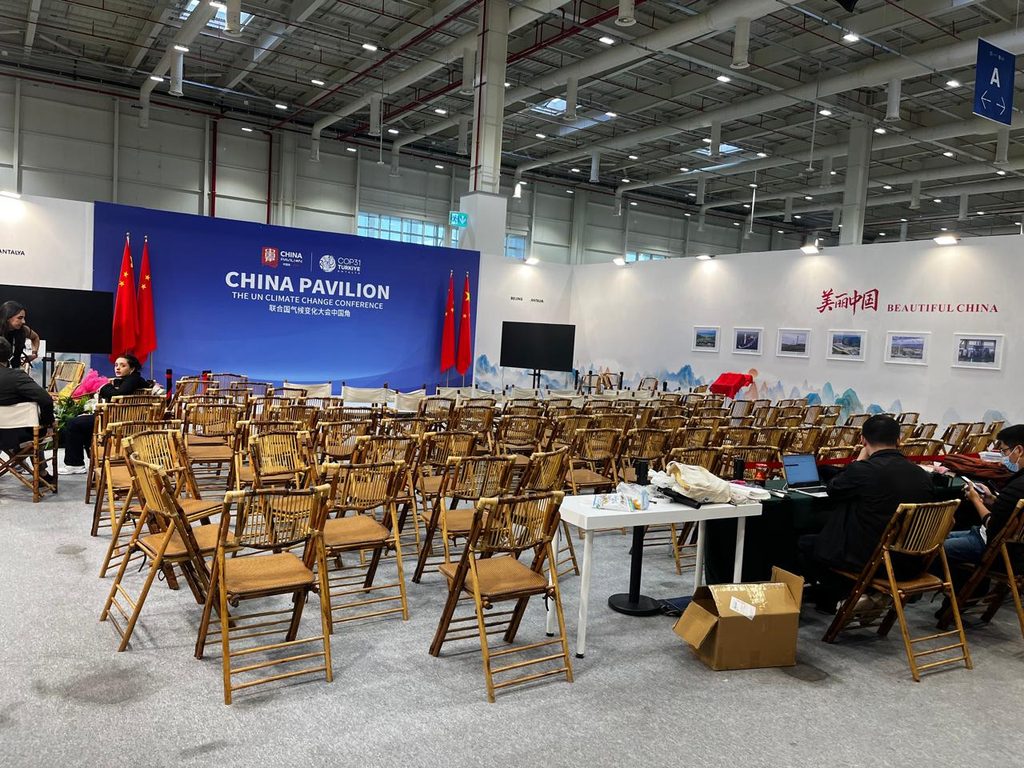
As Pavilions Empty, COP31 Runs into Overtime: No Consensus Deal and No Final Text
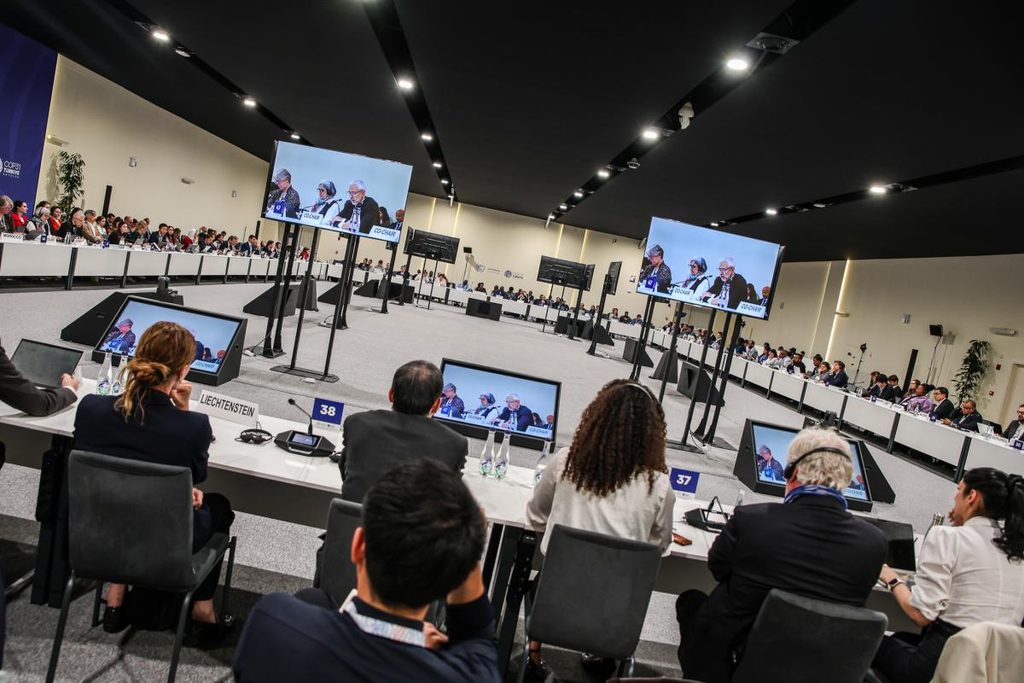
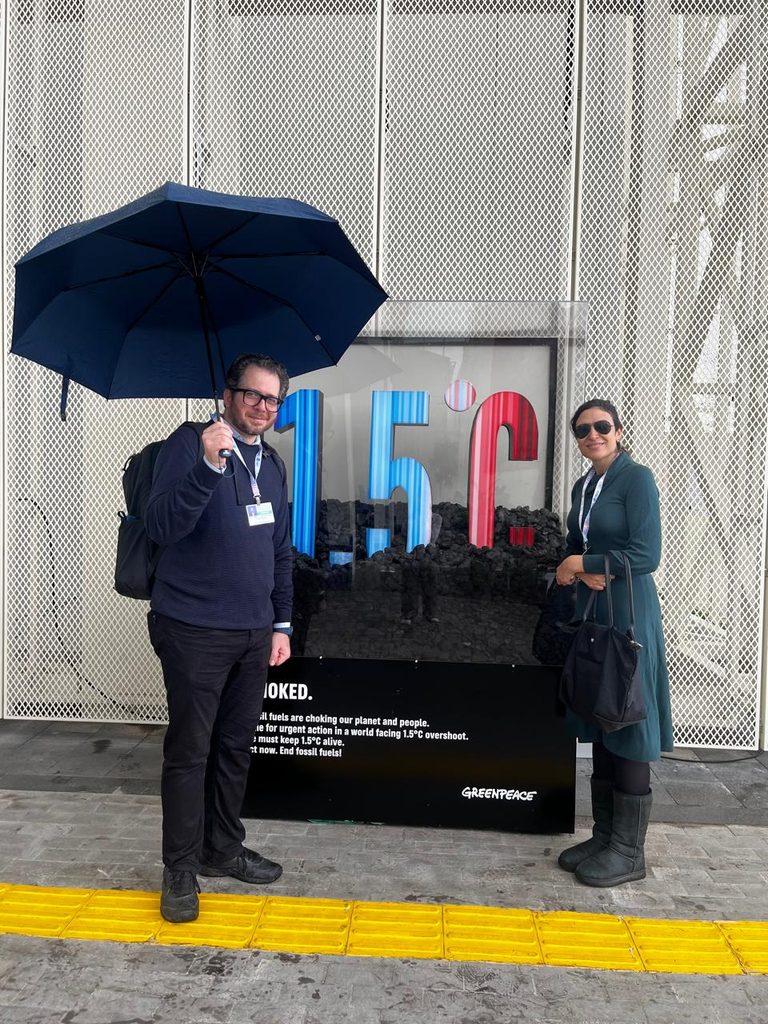
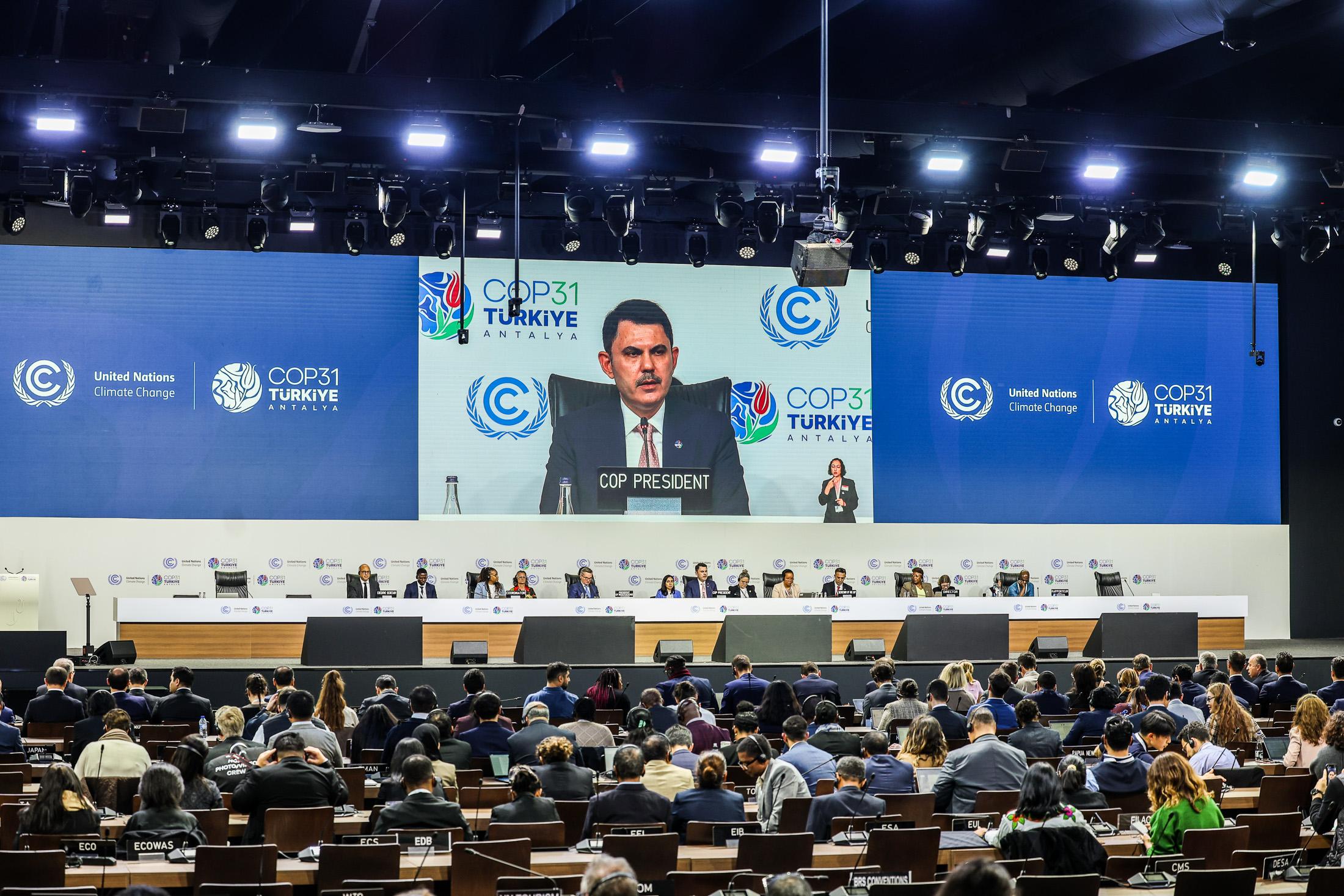
By Friday evening, 20 November 2026, COP31 in Antalya had passed its scheduled closing time without a final agreement. Negotiations involving nearly 200 countries continued in overtime, with no consensus text adopted or gavelled through. Only provisional draft decisions had circulated, most recently a shorter Presidency-led draft released on Thursday, 19 November. A new draft is not expected before Saturday morning, 21 November, at the earliest. The latest draft omitted explicit references to transitioning away from fossil fuels, while climate finance and adaptation support remained contested. Its acknowledgement of the projected overshoot of 1.5°C contrasted sharply with the lack of agreement on how to deliver effective, equitable action.
For Arab countries, the urgent question is whether the final outcome will uphold equity, common but differentiated responsibilities and respective capabilities, energy security and national development priorities.
Key Highlights of the Day
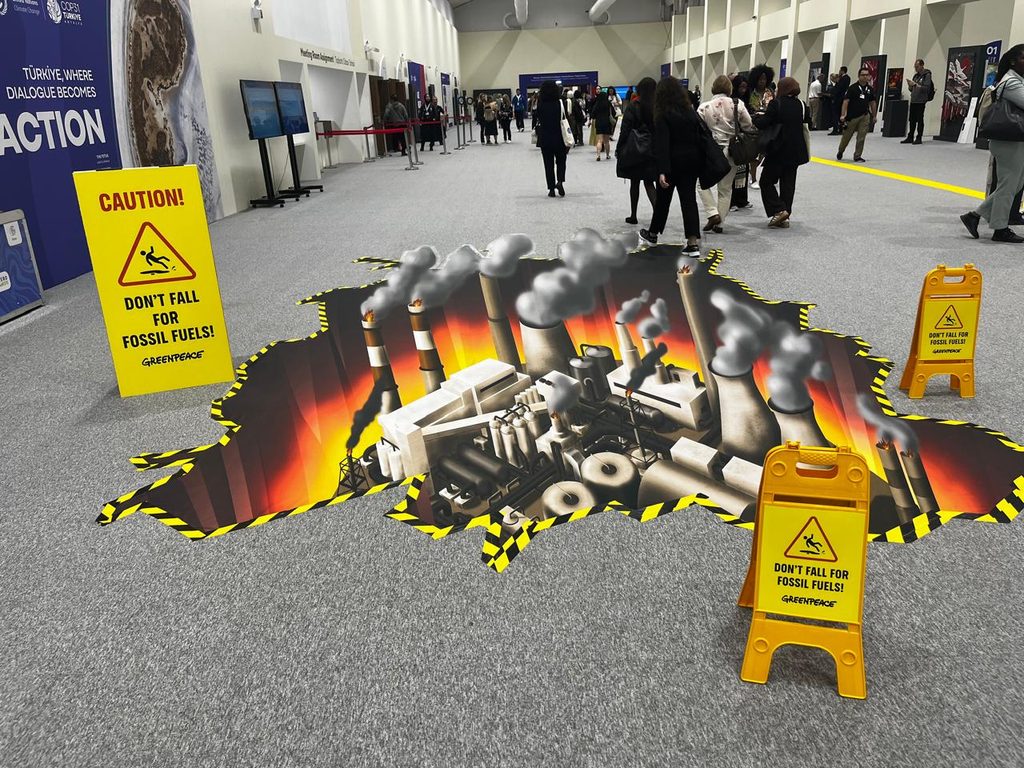
• Fossil Fuel Language Removed; Parties Still Deadlocked: The shorter draft circulated on Thursday, 19 November omits explicit references to fossil fuels and transitioning away from them. Panama and European representatives, among others, objected to the omission. These are disputed draft provisions, not an adopted COP31 decision (The Guardian, 2026).
• 1.5°C Overshoot Formally Confronted: The latest draft expresses deep concern that peak warming is projected to exceed 1.5°C and calls for any overshoot to be limited in magnitude and duration. This recognition raises the stakes for rapid emissions cuts, adaptation, loss and damage, and support for vulnerable countries.
• Climate Finance and Fairness Still Unresolved: African ministers and other developing-country representatives pressed for firmer, accessible and accountable climate finance commitments. The draft discusses adaptation needs and efforts to triple adaptation finance, but the financing baseline, concrete commitments and delivery arrangements remain contested.
• Electrification and Carbon Removal Divide Parties: Türkiye’s proposed “35-by-35” target would raise electricity’s share of global final energy use to 35% by 2035. Critics question the absence of an explicit requirement that the additional electricity come from renewables. Draft language also encourages scaling carbon dioxide removal and carbon capture, utilization and storage, subject to safeguards, while concerns persist about overreliance on these approaches.
• Buildings, Waste and AI Initiatives Move Ahead: The draft welcomes the voluntary Antalya Compact for Energy Efficient Buildings, seeking at least a 25% reduction in global building operational energy intensity by 2035, and a Zero-Waste Initiative aiming to halve projected global waste growth by 2035. Türkiye also advanced an Antalya AI Pledge focused on more sustainable AI infrastructure and climate applications.
• Second Global Stocktake and Science: COP31 launched the second Global Stocktake process to assess collective progress under the Paris Agreement. Negotiators also continued debating the timetable for scientific inputs from the Intergovernmental Panel on Climate Change (IPCC).
Fundamental Question for COP31
With COP31 already in overtime and no final text adopted, can Parties turn another round of drafts into a fair, financed agreement rather than defer the decisions that matter most?
Key Takeaway
As of Friday evening, 20 November, COP31 remained unfinished: no cover decision had been adopted. Voluntary initiatives are valuable, yet cannot substitute for an agreed, measurable and equitable outcome. For Arab countries, the priority is a final agreement that respects differentiated responsibilities and national development pathways while ensuring affordable finance, technology transfer and credible delivery.
Messages for Action
1. To Country Leaders and Decision-Makers
Defend equitable, measurable outcomes rather than the lowest-common-denominator language. Coordinate Arab priorities on differentiated responsibilities, energy security, climate finance and development pathways. Insist on transparent finance baselines, realistic delivery milestones and access to affordable technologies, without prejudging the final agreement.
2. To Climate Experts and Development Practitioners
Turn the recognition of overshoot into stronger risk assessments, implementable National Adaptation Plans and costed investment pipelines. Test carbon removal claims against environmental safeguards and priority emissions cuts; strengthen monitoring, reporting and verification, adaptation finance readiness and equitable carbon-market governance.
3. To the Public
Demand clarity about what is only proposed in draft language, which initiatives are voluntary, and what, if anything, Parties ultimately adopt.
A Special Note of Gratitude: Partnerships That Turn Dialogue into Action
Arab Climate Action Pavilion – League of Arab States
As COP31 negotiations continue beyond their scheduled deadline, the Centre for Environment and Development for the Arab Region and Europe (CEDARE) extends its sincere appreciation to the Arab Climate Action Pavilion, especially Dr. Mahmoud Fathallah and Ms. Nair Alaa Eldin, for their exceptional coordination and commitment to Arab dialogue, visibility and cooperation throughout the conference. Their efforts helped convene institutions and experts on nature-based solutions, carbon markets, resilience and sustainable development.
CEDARE also extends its heartfelt thanks to its valued partners: the International Water Management Institute (IWMI), the Global Carbon Council (GCC), the International Center for Agricultural Research in the Dry Areas – ICARDA (ICARDA), the Arab Organization for Agricultural Development (AOAD), and Integral Consult, Earth’s Climate for Sustainable Development Foundation (EC4SDF), for their collaboration, expertise and contributions to CEDARE’s engagement at COP31.
Final Message: The Pavilions May Be Empty, but the Negotiations—and Our Responsibility—Are Not Over
Every delay in agreeing on fair finance and meaningful action places additional pressure on vulnerable communities. Climate justice must be measured in fulfilled responsibilities, delivered finance and strengthened resilience—not promises renewed at each summit.
For Arab countries, the way forward is to act through stronger regional partnerships while insisting that developed countries deliver on their commitments. We must translate evidence into national policies, investment and community solutions, without allowing unresolved global negotiations to become an excuse for inaction.