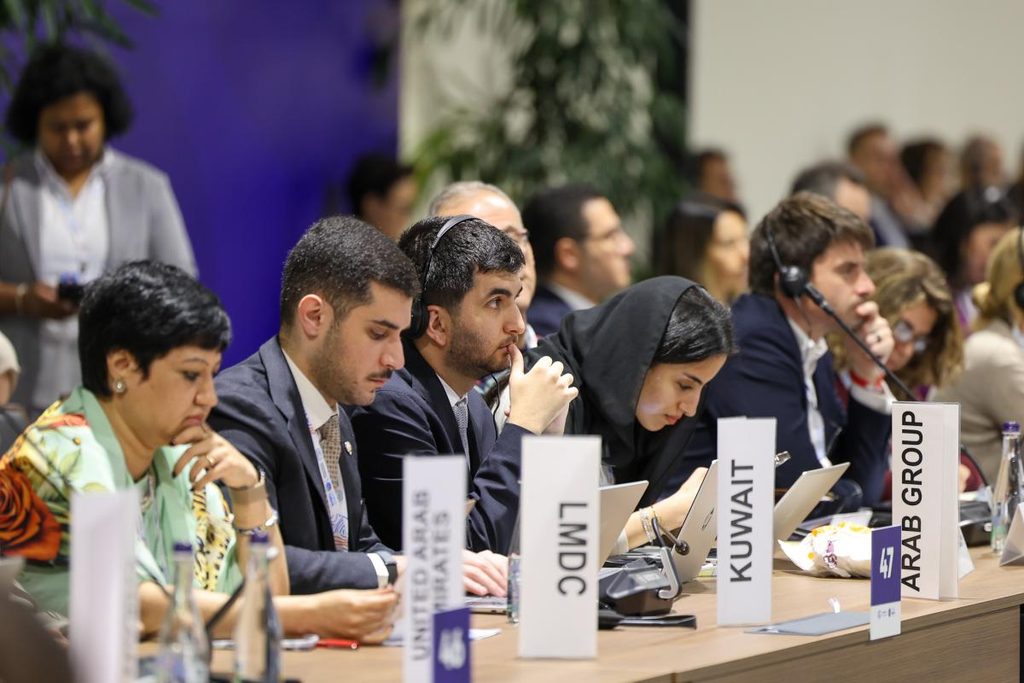
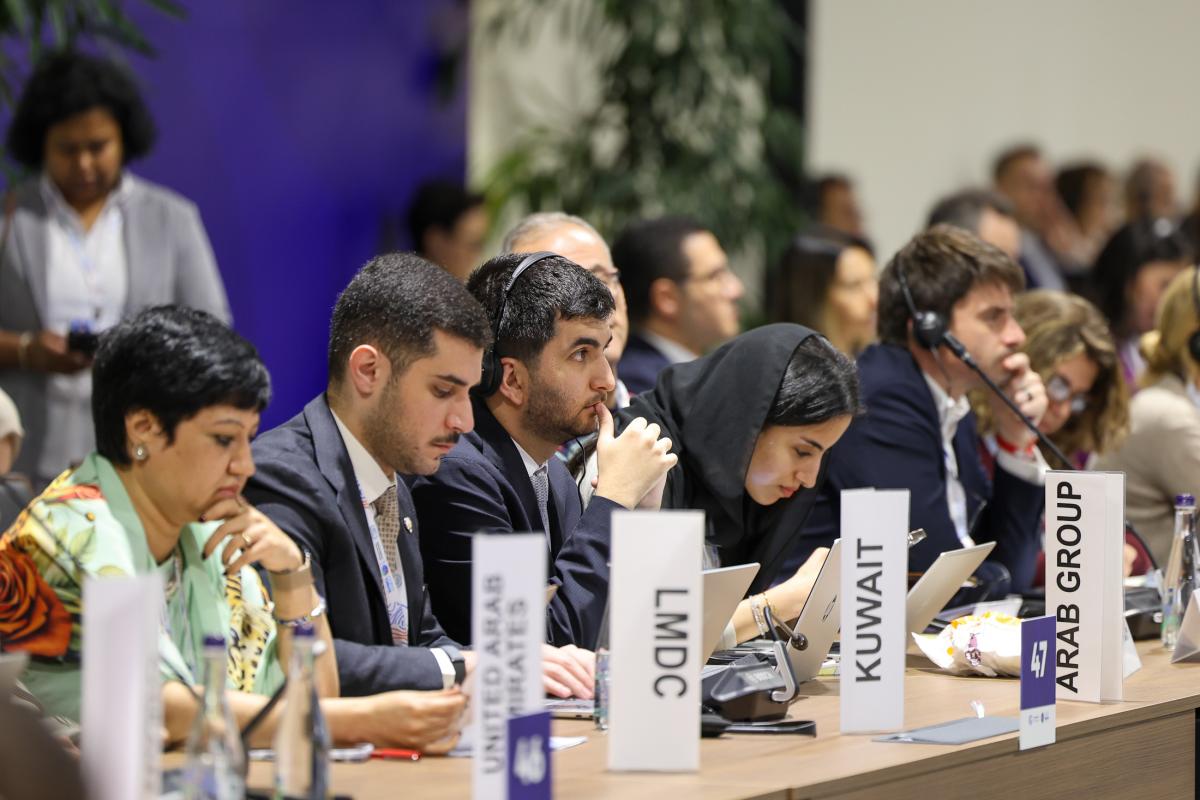
An Arab Message
A Decisive Week Begins: Climate Ambition Meets Political Divisions
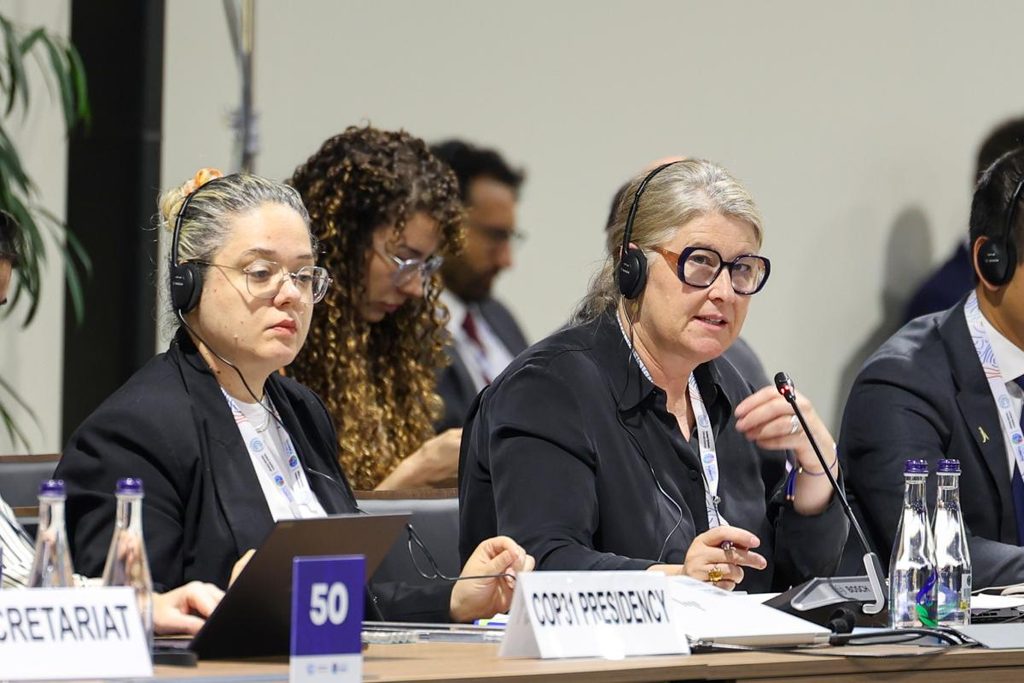
“Let me be clear. The (climate) colonial age is over and we will never go back to that age ever again.”
— Dr. Mohamed Ayoub, Kingdom of Saudi Arabia on behalf of the Arab Group
Following up on the draft text of COP 31 Presidency consultations on Presidency-led Party-driven cover decision (UNFCCC, 16 Nov 2026).
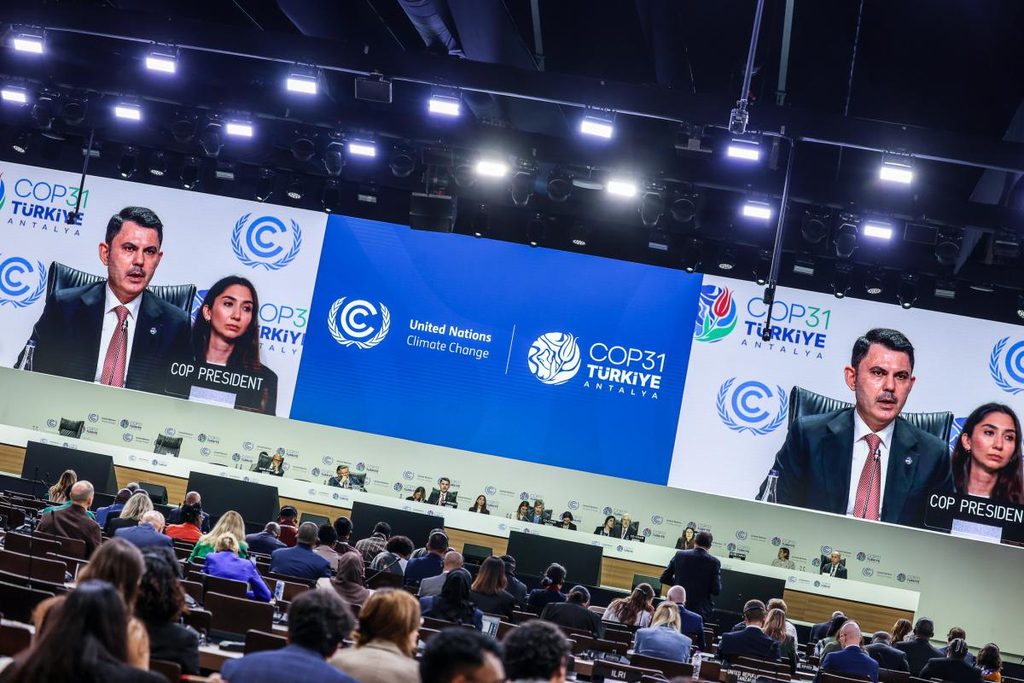
As COP31 enters its decisive second week in Antalya, climate justice and historical responsibility are taking centre stage. The Presidency’s draft cover decision, circulated on 16 November, places equity and the principle of Common but Differentiated Responsibilities and Respective Capabilities (CBDR-RC) at the heart of negotiations. It explicitly acknowledges developed countries’ historical responsibility for climate change, their unfulfilled commitments, and the growing financial burden imposed on developing nations.
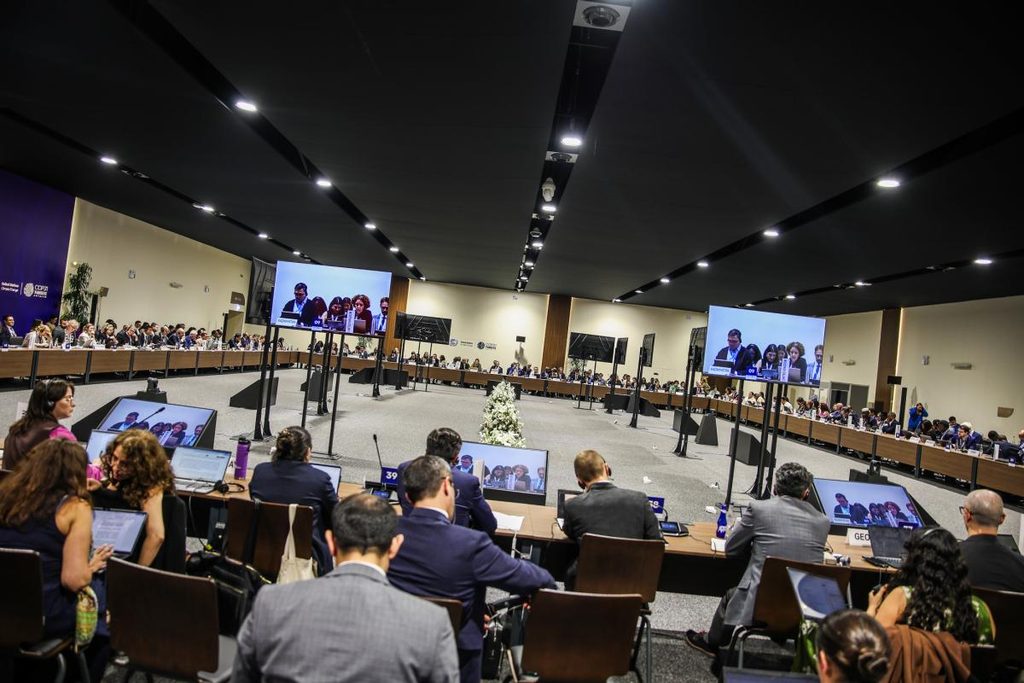
On COP31 seventh day, negotiations intensify as ministers join efforts to bridge persistent divisions over climate finance, fossil fuel transitions and equitable climate action. The newly released draft cover decision has placed critical issues back at the centre of discussions, testing countries’ willingness to turn commitments into consensus.
Key Highlights of the Day:
• Climate Negotiations: A new draft cover decision calls for accelerated action to transition away from fossil fuels, while significant disagreements persist over climate finance and differentiated responsibilities.
• Carbon Markets: Negotiators are considering proposals to revise international carbon market rules, raising important questions about environmental integrity and market credibility.
• Artificial Intelligence: Discussions highlighted AI’s potential to accelerate climate solutions while emphasizing the need to manage its associated risks.
• Ministerial Engagement: Ministers are joining negotiations to overcome political deadlocks over cover text and secure a meaningful COP31 outcome.
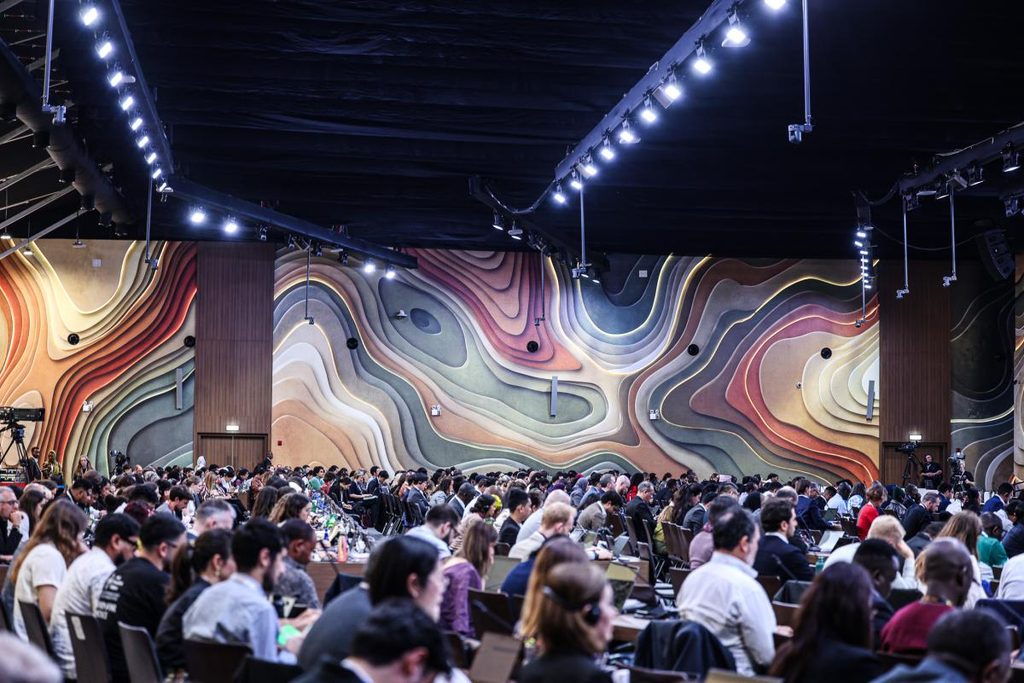
• Record Participation: The summit has reportedly attracted 102,610 registered Blue Zone participants, reflecting unprecedented interest in global climate action (Daily Sabah, 16 Nov 2026).
Fundamental question for COP31: Will the global climate transition correct historical inequalities—or reproduce them?
Key Takeaway: Climate ambition without climate justice cannot deliver a truly just transition.
As COP31 approaches its final stretch, the challenge is no longer simply raising ambition, but securing a fair and actionable agreement. For developing countries, including those in the Arab region, climate progress must be grounded in equity, historical responsibility, accessible finance and respect for national development priorities.
Messages for Action
1. To Country Leaders and Decision-Makers: Defend Equity, Deliver Justice
Defend differentiated responsibilities, secure fair climate finance, technology access and trade, and strengthen Arab shared climate ambition that fosters development, economic diversification and energy security.
2. To Climate Experts and development practitioners: Turn Climate Justice into Measurable Action
Move beyond principles to evidence. Quantify historical responsibilities, adaptation costs, and financing gaps of one-sided economic carbon market instruments. Develop realistic, equitable financing frameworks that translate climate justice into implementable policies and investments.
3. To the Public: Climate Justice Is Your Right
Climate change affects your water, food, health, livelihoods and future generations. Those who contributed most to the crisis must lead in addressing it. Our Arab vulnerable communities deserve a voice in shaping a fair and resilient climate future.