Between Climate Ambition and the Challenges of Consensus and Implementation
Antalya, Türkiye | 9–14 November 2026
The first week of the 31st Conference of the Parties (COP31) witnessed extensive political and negotiating developments, reflecting the conference’s importance in shaping the next phase of international climate action. At the same time, it exposed continuing disagreements over climate finance, the energy transition, countries’ responsibilities, and mechanisms for implementing international commitments.
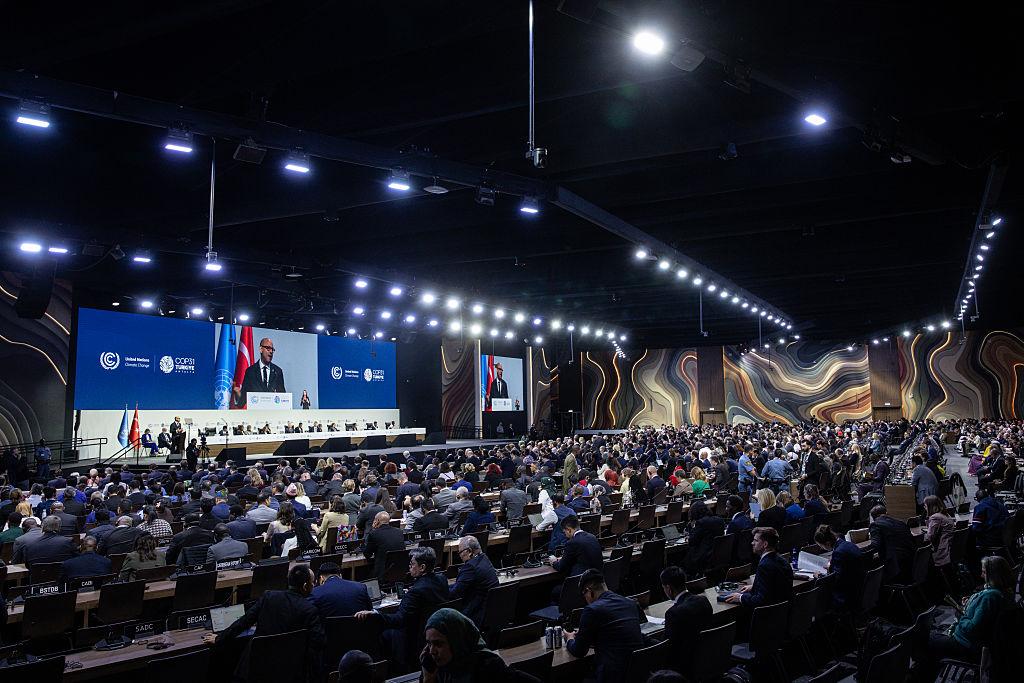
The conference attracted broad international participation, with more than 92,934 in-person registered participants, in addition to over 3,300 virtual participants, bringing the total number of registered participants to more than 95,000, placing COP31 among the largest climate conferences in terms of participation.
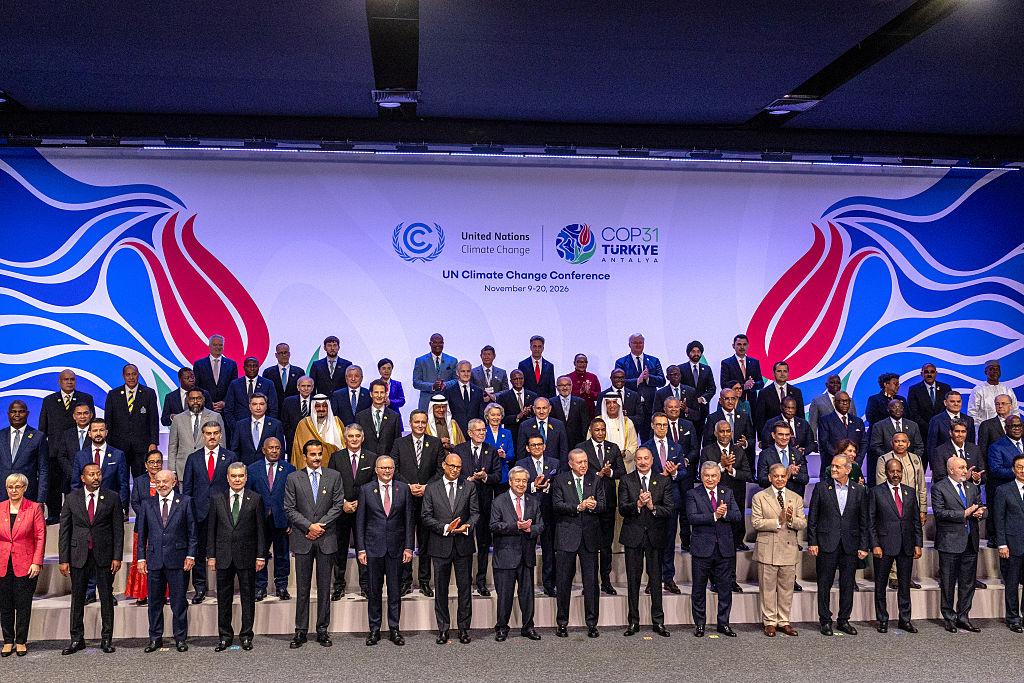
The Leaders’ Summit, held on 11 and 12 November, brought together approximately 80 world leaders, including 37 Heads of State and 35 Heads of Government, alongside 8 Vice-Presidents and other ministers and senior officials.
Key Developments During the First Week
1. Climate Finance: Declining Commitments and a Widening Financing Gap
The first week revealed a decline of approximately 70% in public climate finance pledges directed towards developing countries, compared with previous years’ levels. This was largely attributed to the expiration of several multi-year commitments without the announcement of replacement pledges at the required scale.
This contributed to intensifying disagreements between developed and developing countries, particularly regarding the commitments stipulated under the Paris Agreement, the responsibility of developed countries to provide climate finance, and the extent to which private-sector financing and other financial institutions can be relied upon.
2. Energy Transition: New Initiatives and Persistent Disagreements
The conference witnessed significant momentum around the Global Electrification Pledge, which aims to increase electricity’s share of total global final energy consumption to 35% by 2035, with more than 50 countries joining or supporting the initiative.
Meanwhile, disagreements continued over the transition away from fossil fuels, reflecting differences among countries regarding emissions reduction requirements, energy security, and economic and development considerations.
3. Brazil’s Two Roadmaps: Transitioning Away from Fossil Fuels and Halting Deforestation
Among the most notable developments at the conference was the presentation by the Brazilian COP30 Presidency of two international roadmaps aimed at translating climate commitments into practical pathways for implementation.
First: Roadmap for Transitioning Away from Fossil Fuels
On 10 November, Brazil presented a global roadmap for transitioning away from coal, oil, and gas in energy systems in a just, orderly, and equitable manner, in line with the goal of achieving net-zero emissions by 2050.
The roadmap provides a framework to help countries assess their readiness for the transition and identify the actions required in energy production and consumption, as well as across economic systems, while taking into account different national circumstances and varying levels of dependence on fossil fuels.
The Brazilian Presidency emphasized that the roadmap is neither a binding mandate nor a negotiating document, but rather a practical framework to support the implementation of existing commitments. The UN Secretary-General also called for building on the roadmap and translating it into concrete, adequately financed actions.
Second: Roadmap on Enhancing Efforts Towards Halting and Reversing Deforestation and Forest Degradation by 2030
This initiative aims to strengthen international efforts to halt deforestation and forest degradation by 2030 through supporting national forest protection strategies, enhancing international cooperation, and mobilizing the necessary financing to protect ecosystems, ensure their sustainable management, and restore degraded areas.
In the context of financing forest protection, challenges facing the Tropical Forests Forever Facility (TFFF) also came into focus. Newly announced pledges amounted to only USD 88 million, while the Facility needs to raise USD 2.2 billion within 49 days to meet its target for the current year.
Significance:
Both initiatives reflect an important shift from agreeing on climate objectives towards developing roadmaps that identify the required actions, financing needs, and implementation pathways. They also open the door to broader international cooperation in energy, forests, and climate investment.
4. Climate Adaptation: Strengthening Resilience and Investment
Attention to climate adaptation, water and food security, sustainable cities, and infrastructure capable of withstanding climate-related risks continued to grow.
Initiatives related to energy efficiency in buildings, resource management, and waste reduction also gained prominence, reflecting an increasing trend towards integrating adaptation and sustainability into development and investment plans.
5. Leaders’ Summit: Political Emphasis on Accelerating Climate Action
High-level discussions emphasized the need to accelerate climate action and strengthen multilateral cooperation.
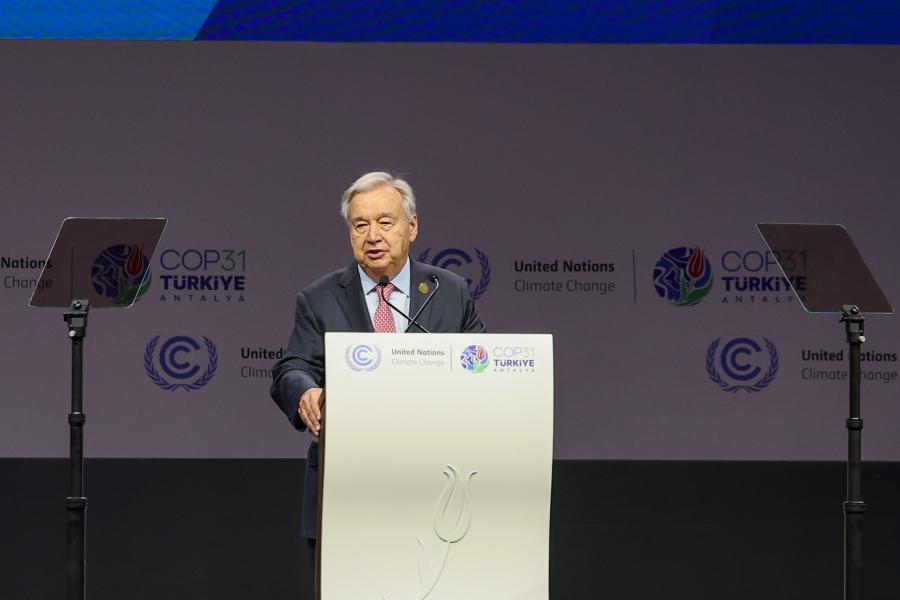
UN Secretary-General António Guterres warned that the climate crisis is advancing faster than the international response, while Brazilian President Luiz Inácio Lula da Silva stressed the importance of protecting science and international cooperation in addressing geopolitical tensions.
6. The Conference’s Comprehensive Political Decision (Cover Decision): The Key Negotiating Test
One of the most significant developments during the first week was the Presidency’s move to prepare a comprehensive political decision addressing the major climate issues. However, the initiative encountered procedural objections, particularly from Russia and other parties, on the grounds that the proposed decision had not been separately included in the official agenda.
On 13 November, the COP Presidency issued an initial document entitled “Summary of Reflections”, compiling countries’ positions and proposals on the issues that could be addressed by the decision.
This document was not an agreed negotiating draft, but rather an overview of the different priorities and demands put forward by countries.
The main issues raised included:
• Addressing the possibility of exceeding the 1.5°C temperature limit and limiting its impacts.
• Transitioning away from fossil fuels and the roadmap proposed by Brazil.
• Climate finance and the financial commitments of developed countries.
• Adaptation, loss and damage, and increasing adaptation finance.
• Expanding electricity access, renewable energy, and energy efficiency.
• Reducing methane emissions.
• Technology transfer, research and development, and innovation.
• Protecting oceans, mountains, and forests, and strengthening international cooperation.
The document also included calls from developing countries for the implementation of financial commitments under Article 9.1 of the Paris Agreement.
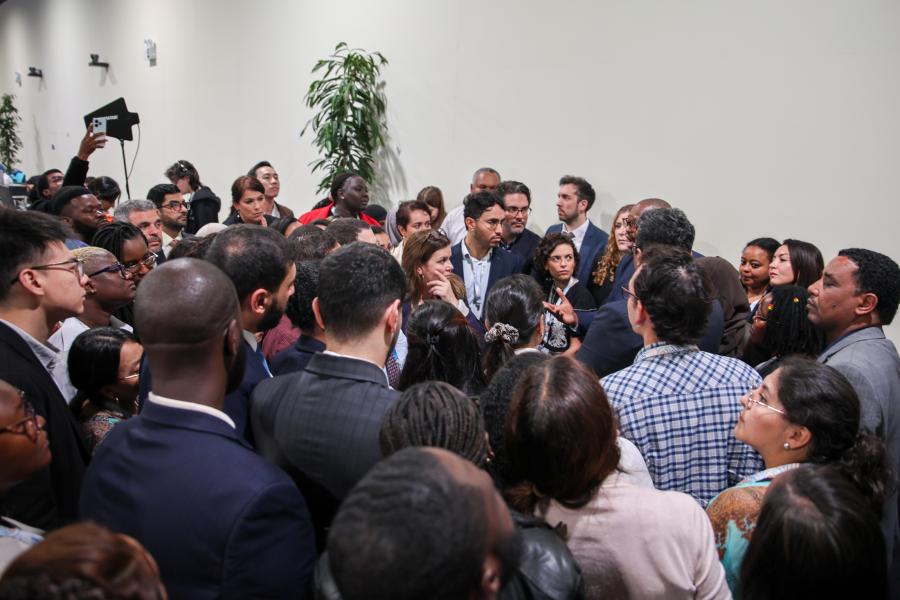
During the consultations, the Arab Group’s position stood out in rejecting the imposition of sectoral targets or unified, top-down energy transition pathways, while emphasizing the need to respect national priorities and the economic and development circumstances of each country, as well as the fulfilment of developed countries’ climate finance commitments.
The presentation of the first draft of the comprehensive political decision at the beginning of the second week is expected to represent one of the conference’s most significant political tests, particularly given the differences surrounding its wording and content.
7. Negotiations: Procedural Progress Without Political Resolution
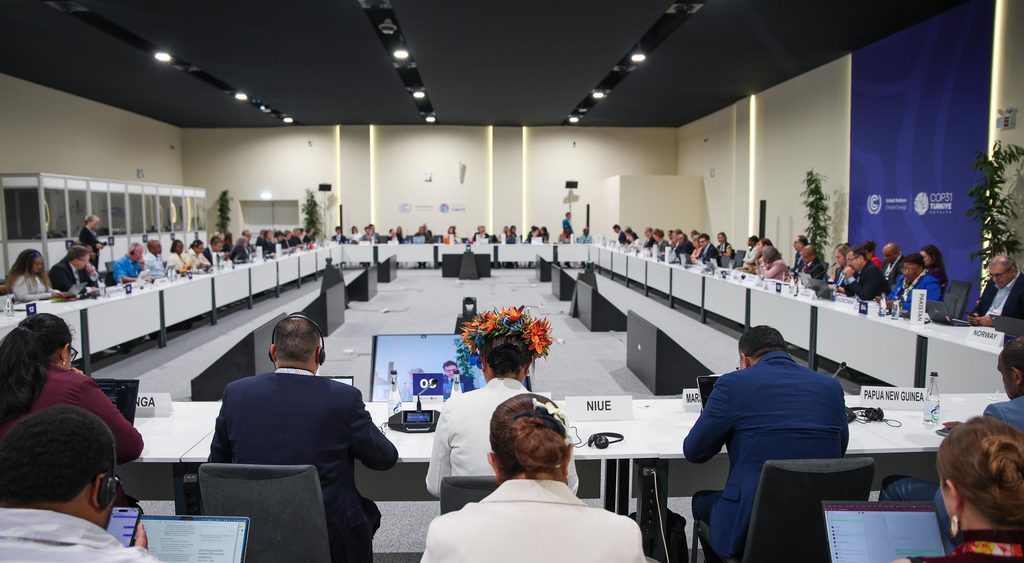
By the end of the first week, negotiating texts had emerged across most workstreams. However, the most sensitive issues remained unresolved, foremost among them climate finance, the future of fossil fuels, the work programme on finance, and the comprehensive political decision.
This means that the second week is expected to be more challenging, as negotiations move towards seeking political compromises that can pave the way for the adoption of the final outcomes.
What to Expect in the Second Week?
Attention will focus on the Presidency’s ability to make progress on five key issues:
• Reaching consensus on the comprehensive political decision (Cover Decision).
• Bridging differences over climate finance and the commitments of developed countries.
• Resolving disagreements related to the transition away from fossil fuels.
• Strengthening mechanisms for implementing and financing adaptation goals.
• Translating announced initiatives and pledges into partnerships and projects that are ready for implementation and investment.
What Do These Developments Mean for the Arab Region?
The first week’s discussions highlight the importance of addressing climate challenges as interconnected development and economic issues, rather than treating them solely as separate environmental concerns.
For the Arab region, key priorities include strengthening water and food security, accelerating investment in renewable energy, developing climate adaptation projects, improving access to climate finance, and localizing technology.
The Key Message from the First Week
COP31 demonstrates that the real challenge facing climate action is no longer defining ambitions and making commitments, but rather achieving international consensus on how to implement them, distribute their burdens, and secure the financing and technology required to deliver them.
For the Arab region, the next phase requires transforming climate challenges into opportunities for development and investment, while strengthening the capacity to develop solutions and projects that respond to countries’ actual needs.