Antalya, Türkiye – 10 November 2026
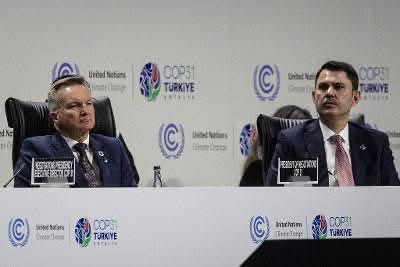
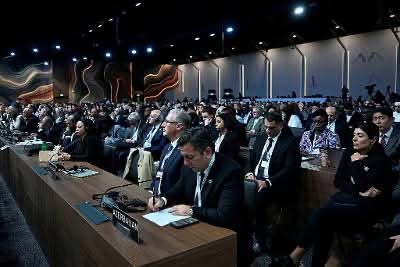
The second day of COP31 focused on Energy and Transport, placing the global energy transition, electrification and the future of fossil fuels at the centre of discussions and high-level engagements.
One of the day’s major developments was the official presentation of Brazil’s Global Roadmap for Transitioning Away from Fossil Fuels, by the Brazilian COP30 Presidency. The roadmap seeks to translate previous international commitments into practical national pathways for moving away from coal, oil and gas.
During the high-level event, UN Secretary-General António Guterres called on governments to move beyond discussions and focus on organising, financing and delivering the transition. He urged the Turkish and Australian COP31 Presidencies to advance concrete steps towards implementing the roadmap.
Another major focus was Türkiye’s Global Electrification Pledge, which aims to increase electricity’s share of global final energy consumption to 35% by 2035. Business representatives expressed support for this ambition through a newly launched alliance. However, questions remain regarding the extent to which this electrification will be powered by renewable and other low-carbon energy sources.
The transport sector also featured prominently, with a new maritime electrification initiative targeting a 20% share of electricity in the sector’s final energy demand by 2035. Proposed measures include electrifying short-distance vessels, providing shore-side electricity at ports and transitioning cargo-handling equipment towards electric alternatives.
On the financing front, the launch of Coal Transition Partnerships highlighted efforts to help developing countries access existing financial resources to support coal phase-out planning, with more than USD 23 billion identified as potential funding to be unlocked through these efforts.
Key Takeaway
The second day highlighted an important shift in the climate debate: moving from commitments towards practical pathways for energy transition. However, the effectiveness of these initiatives will ultimately depend on clear implementation plans, adequate financing, international cooperation and ensuring that electrification is genuinely powered by clean energy.