Leaders’ Summit Focuses on Implementation: Zero Waste, Methane Reduction and Energy Efficiency
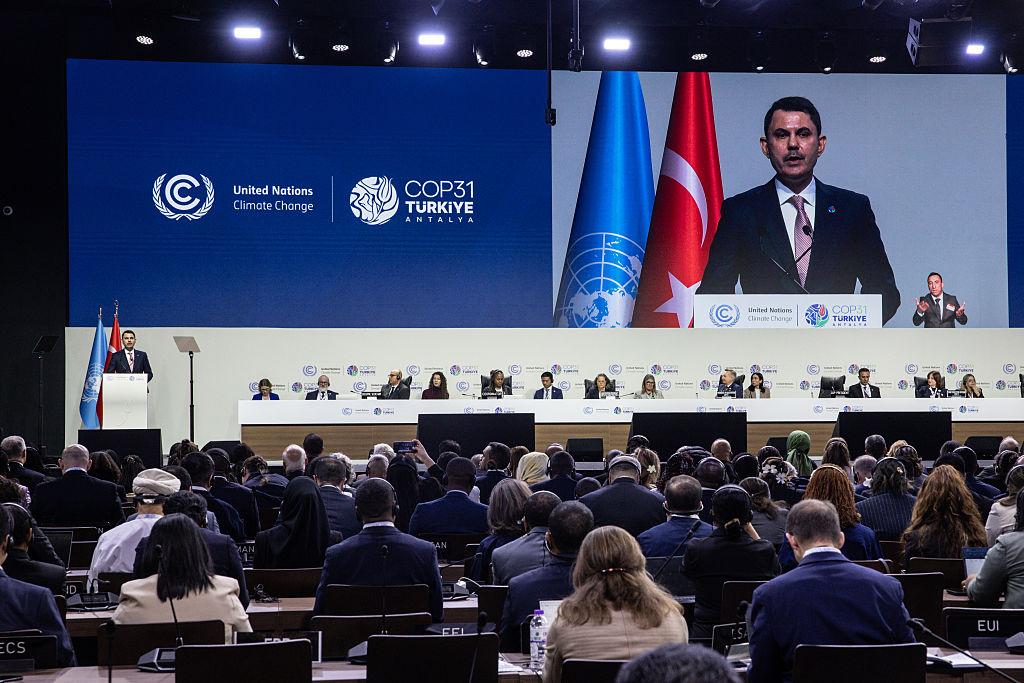
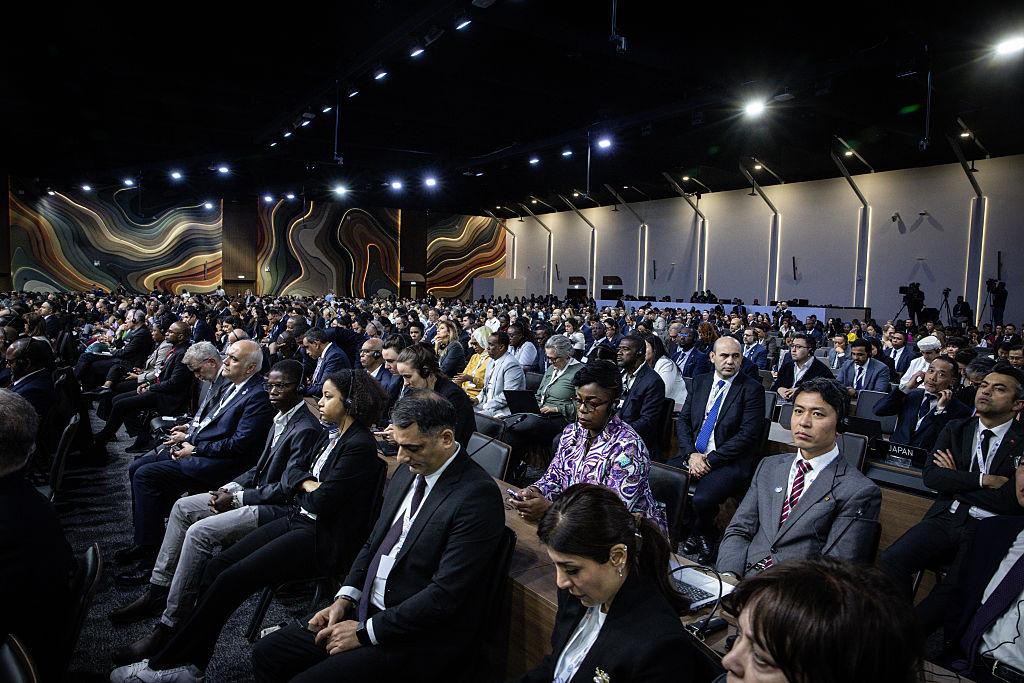
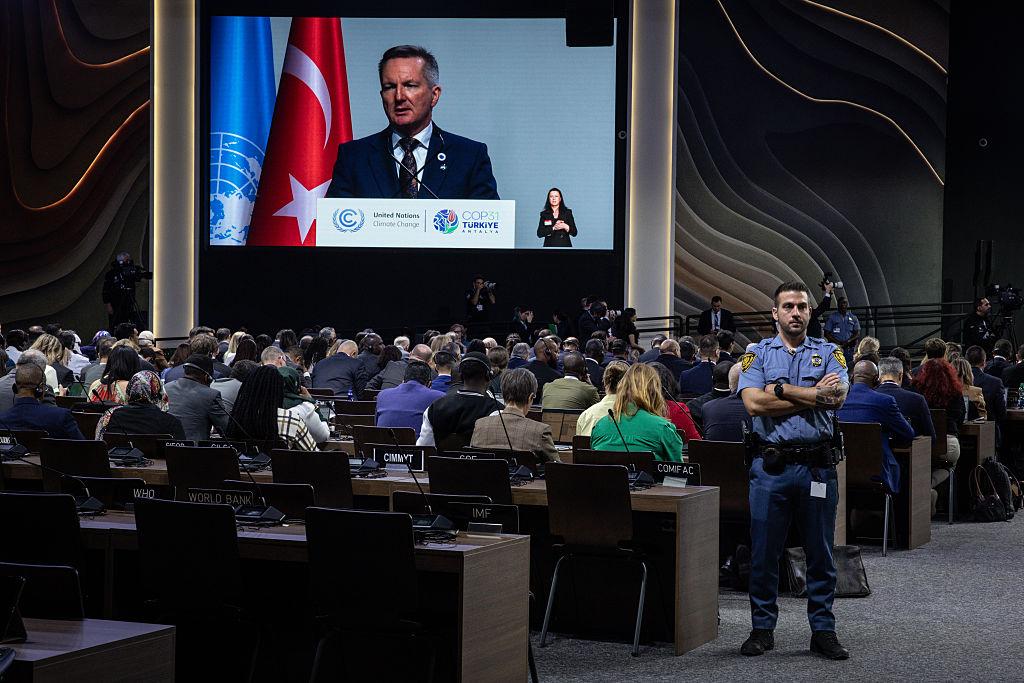
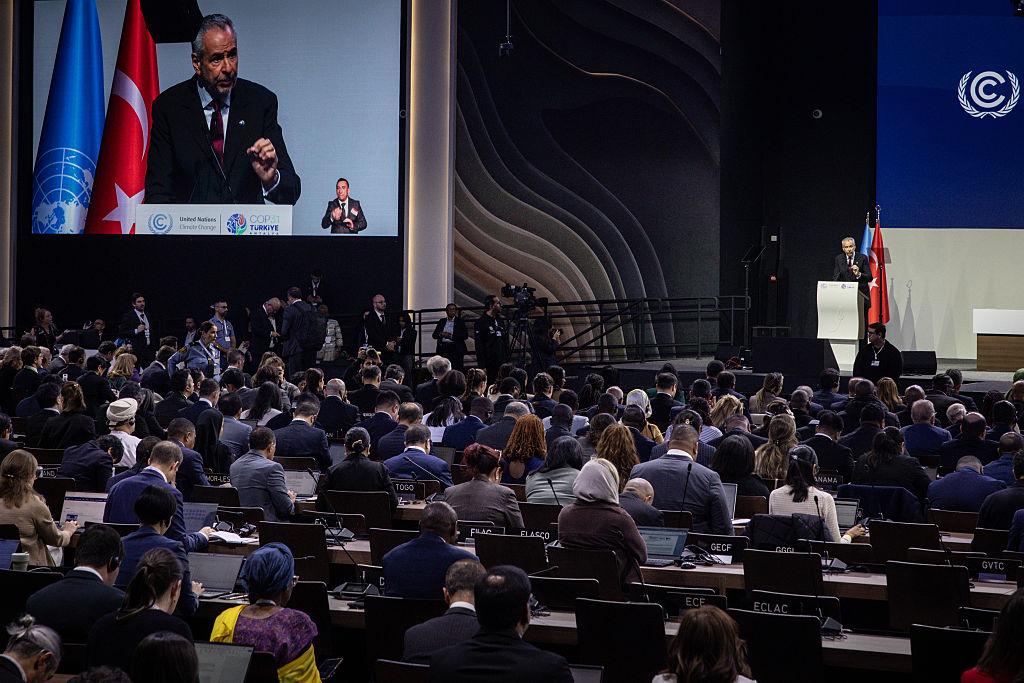
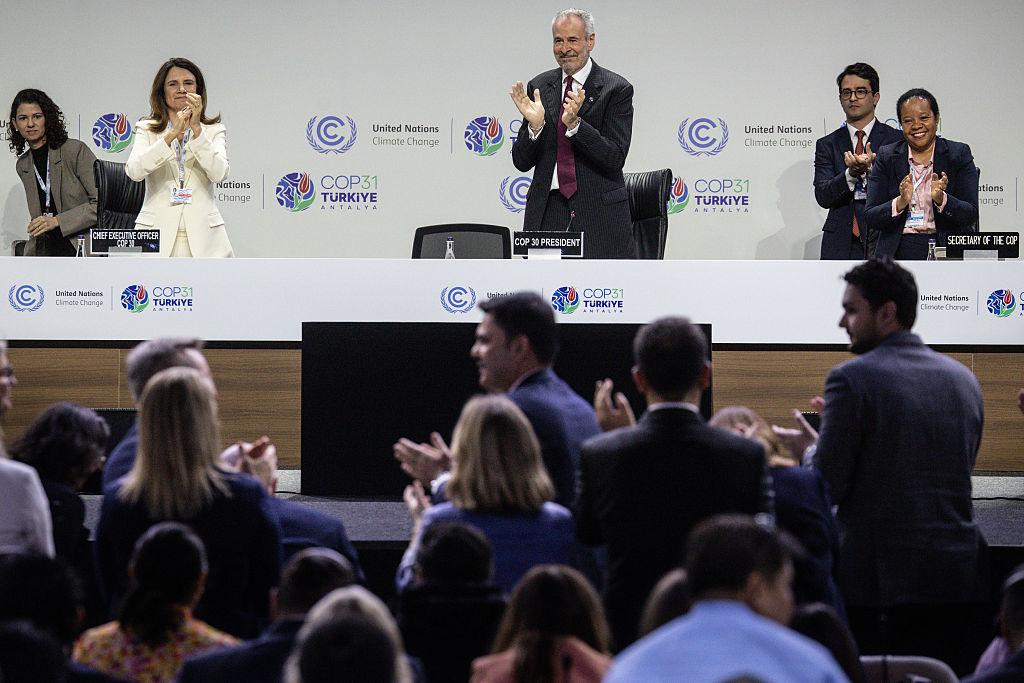
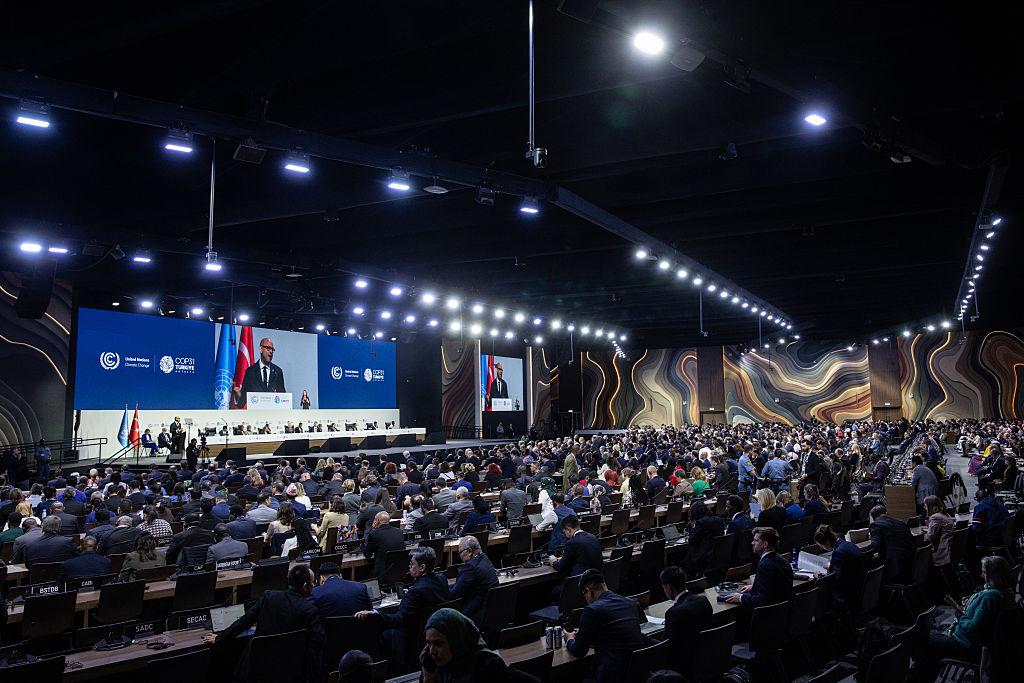
On Wednesday, 11 November 2026, the World Leaders’ Climate Action Summit opened as part of the 31st Conference of the Parties (COP31) in Antalya, bringing together heads of state and government and leaders of international organizations. The day focused on translating climate commitments into practical action, with particular emphasis on waste management, the circular economy, methane emissions reduction and energy efficiency.
Leaders’ Summit: Putting Implementation at the Forefront
The Leaders’ Summit opened in Antalya amid growing recognition that the climate challenge is no longer limited to setting targets. It is increasingly about countries’ ability to deliver on their commitments, accelerate emissions reductions, strengthen adaptation efforts and mobilize the financing needed to protect communities most vulnerable to climate change.
Discussions highlighted the need to move beyond political pledges towards measurable action, while emphasizing the importance of ensuring that developing countries have access to the financing and technologies they need. These countries face significant climate impacts despite having contributed relatively little to global greenhouse gas emissions.
Zero Waste and Methane Reduction: Turning Waste Management into Climate Action
Waste management and the circular economy featured prominently in the day’s discussions. High-level dialogues addressed food waste reduction and methane emissions from cities and businesses, alongside the Leaders’ Roundtable on Zero Waste, Circularity and Methane, opened by Türkiye’s First Lady, Emine Erdoğan.
Discussions focused on reducing food waste, improving waste management systems, transforming waste into economically valuable resources, and strengthening partnerships among governments, the private sector, cities and civil society. The sessions also highlighted that the decomposition of organic waste in landfills generates methane, a greenhouse gas with a particularly strong warming effect in the short term.
These issues are especially relevant to the Arab region, given the challenges associated with increasing waste generation, pressure on municipal infrastructure, food waste and the need for sustainable solutions for solid and organic waste management. Expanding the circular economy offers opportunities to reduce dependence on virgin resources, create green jobs and transform waste management from an environmental and financial burden into a productive economic sector.
Transition to Clean Electricity: 35 by 2035
A high-level dialogue entitled 35 by 35: Powering the Future explored ways to accelerate the transition to clean electricity and increase the share of electricity in global final energy consumption to 35% by 2035, as part of an ambition led by the COP31 Presidency in cooperation with the International Energy Agency.
The dialogue addressed the importance of expanding electrification across transport, buildings and industry, while developing and improving electricity grids to facilitate the integration of renewable energy sources and strengthen energy security.
These discussions carry strategic importance for Arab countries, which possess significant solar and wind energy potential. Accelerating the electrification of economic sectors and developing electricity infrastructure could help diversify energy mixes, reduce emissions and attract investment in clean industries and technologies.
Energy Efficiency in Buildings and Cities: Support for the Antalya Declaration
Among the notable developments of the day was the announcement by ministers from Kenya, Brazil, France and the Netherlands of their support for the Antalya Declaration on Energy Efficiency in Buildings, which aims to reduce the operational energy intensity of buildings by 25% by 2035.
This direction highlights the importance of integrating energy efficiency and heat resilience into housing and urban planning policies, rather than treating buildings merely as energy consumers.
This agenda is particularly relevant to the Arab region, given rising temperatures, increasing demand for cooling and electricity, and rapid urban expansion. It underscores the need to develop green building standards, improve thermal insulation, promote climate-responsive architectural designs and adopt sustainable cooling solutions to reduce energy consumption and ease pressure on electricity grids.
Forests and Ecosystems: A Shared Responsibility in Addressing Climate Change
The day’s programme also gave high-level attention to the role of forests and ecosystems in addressing climate change through a Leaders’ Summit on Forests, which explored the importance of protecting natural ecosystems and strengthening international cooperation to support conservation efforts.
Although the Arab region’s ecosystems differ from tropical forests, this issue is directly connected to regional priorities, particularly protecting vegetation cover, combating desertification, restoring degraded land, conserving coastal ecosystems and mangroves, and promoting nature-based solutions.
What Do the Day’s Developments Mean for the Arab Region?
The day’s discussions reaffirmed that climate action is increasingly interconnected with development priorities, economic opportunities and essential public services. Several important implications emerge for Arab countries:
• Waste Management: Developing integrated systems for waste sorting, recycling and organic waste treatment, and linking them to methane reduction strategies.
• Food Security: Reducing food loss and waste as a means of improving resource efficiency, cutting emissions and strengthening food security.
• Energy Security: Accelerating investment in renewable energy and electricity grids, while expanding the use of clean electricity across economic sectors.
• Cities and Heat Adaptation: Integrating energy efficiency, sustainable cooling and climate-resilient urban planning into policies for Arab cities.
• Finance and Innovation: Directing investment towards scalable, practical solutions and strengthening partnerships that connect innovation with implementation at the local level.
Conclusion
The third day of COP31 reflected a clear direction towards connecting climate action with sectors that directly affect everyday life and economic development, from waste and food management to energy, buildings and cities.
For the Arab region, the significance of these discussions lies in translating them into policies, investments and implementable projects that respond to regional challenges and strengthen resilience to the impacts of climate change.
The transition towards a more sustainable economy cannot be achieved through targets and declarations alone. It requires effective implementation frameworks and strong partnerships capable of turning commitments into tangible results for communities and economies.